Turn on cookies to sign in
Signing in saves your progress to your Curie account. We can only do that with cookies on — turn them on to continue.
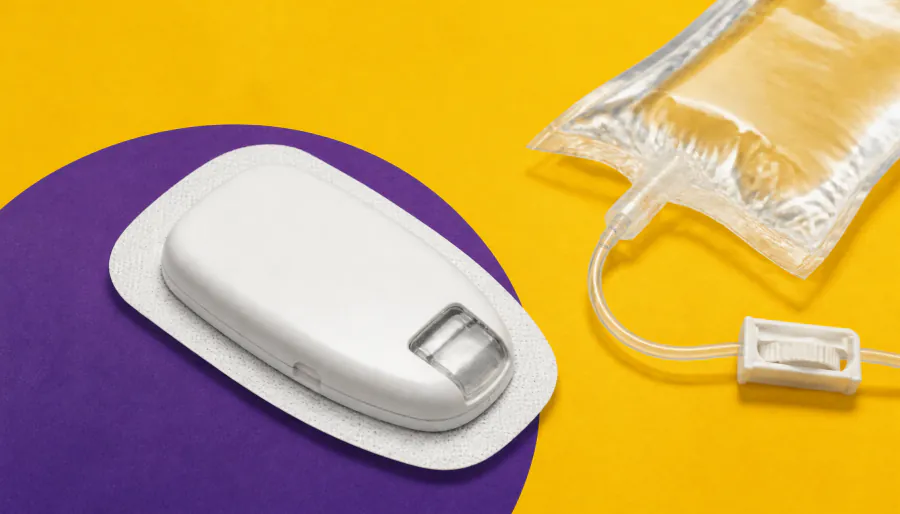
A wearable, at-home subcutaneous furosemide injector proved safe and feasible for patients with worsening heart failure who weren't responding to oral diuretics. In a small pilot study, most patients found the device easy to use and preferred it over a hospital stay. The results were presented at the Heart Failure Society of America Annual Scientific Meeting.
For heart failure patients whose symptoms worsen despite oral diuretics, the usual next step is a hospital admission for IV diuresis — but a new wearable device could change that. A pilot study presented at the Heart Failure Society of America Annual Scientific Meeting found that at-home self-administration of subcutaneous furosemide (Lasix ONYU, SQ Innovation) was safe, well-tolerated, and preferred over hospitalization by most patients.
The single-center, open-label study enrolled 21 patients with chronic HF and worsening congestion. At the 3-day mark, there were zero ED visits or hospital admissions. By day 30, only three patients required hospitalization. Renal function and potassium levels remained stable throughout, with no cases of acute kidney injury or dangerous over-diuresis.
By the Numbers:
Why it matters: Hospital admissions for heart failure are costly, disruptive, and carry real mortality risk. A reliable at-home alternative to IV diuresis could reduce hospitalizations, improve patient quality of life, and ease the burden on healthcare systems — making this a promising development worth watching as larger trials unfold.