Turn on cookies to sign in
Signing in saves your progress to your Curie account. We can only do that with cookies on — turn them on to continue.
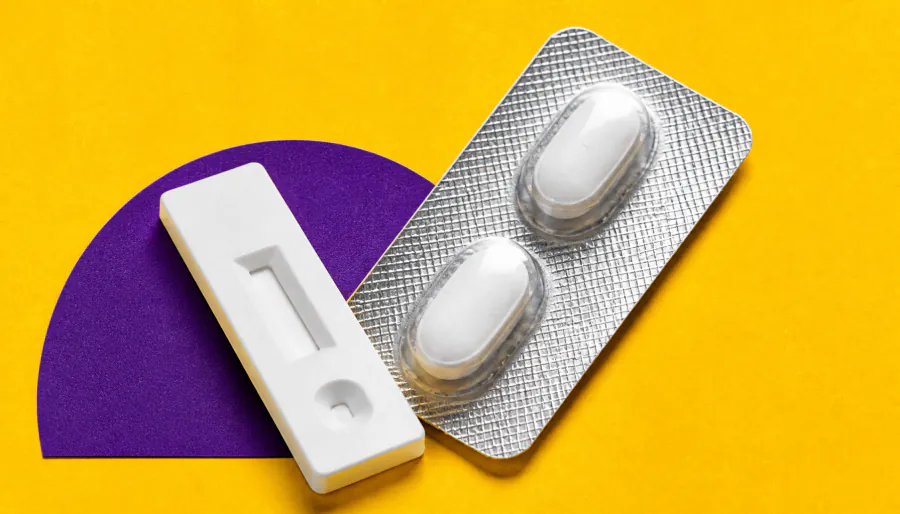
Drug-resistant gonorrhea is a growing global crisis, but two newly approved antibiotics — gepotidacin and zoliflodacin — are offering fresh hope. Both oral drugs showed strong results in clinical trials, though experts are debating how to roll them out wisely. New molecular tests that detect antibiotic resistance at the point of care could also help clinicians tailor treatment and slow resistance further.
Drug-resistant gonorrhea has developed resistance to nearly every antibiotic used against it, and both the WHO and CDC now classify it as an urgent public health threat. In the U.S. alone, an estimated 787,000 drug-resistant cases occur annually, costing over $214 million in lifetime medical costs. Globally, resistance to the frontline treatment ceftriaxone has jumped from 0.8% to 5% in just two years.
The good news: two new oral antibiotics — gepotidacin (Blujepa) and zoliflodacin (Nuzolvence) — were recently approved, marking the first new gonorrhea treatments since 1987. Both performed well in phase 3 trials, though experts caution that strategic rollout is critical to preserve their effectiveness and prevent new resistance from emerging.
On the diagnostics front, new molecular tests capable of detecting antibiotic resistance at the point of care could be a game-changer, enabling personalized treatment and reducing over-reliance on ceftriaxone.
Key Takeaways:
Why it matters: With resistance to existing gonorrhea treatments rising sharply worldwide, new antibiotics and smarter diagnostics could be pivotal tools — but only if deployed thoughtfully and equitably.