Turn on cookies to sign in
Signing in saves your progress to your Curie account. We can only do that with cookies on — turn them on to continue.
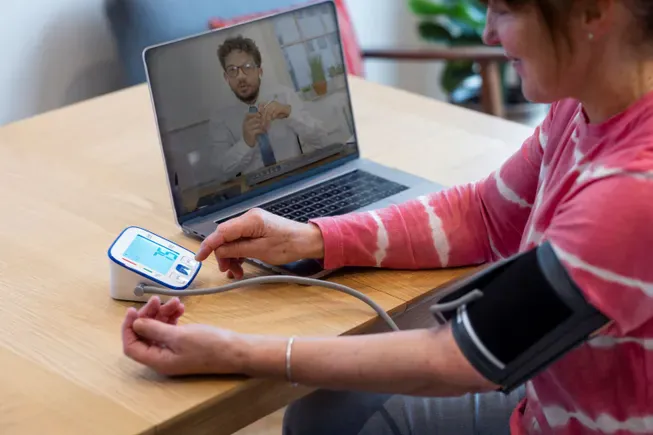
Medicare's remote monitoring reprieve: CMS has pushed back its controversial plan to end Medicare payments for third-party remote patient monitoring (RPM) services from 2027 to 2029, giving the virtual care industry a two-year window to negotiate. The delay follows intense pushback from providers, lobbyists, and patient advocates who warned the original rule would gut access to care. Stakeholders now plan to work with CMS to craft fraud-proof safeguards that keep RPM programs alive.
Medicare's remote monitoring reprieve
CMS has delayed its plan to stop Medicare payments for third-party remote patient monitoring (RPM) services, pushing the effective date from January 1, 2027, to January 1, 2029. The original proposal — part of the 2027 Medicare Physician Fee Schedule — would have restricted RPM reimbursement to clinical staff directly employed by the billing practice, effectively cutting out the contracted vendors that many healthcare organizations rely on to run their RPM programs.
The reversal came after a wave of opposition from providers, virtual care companies, patient advocacy groups, and lobbying organizations, who warned that the rule would force many RPM programs to shut down entirely, leaving patients — particularly those managing chronic conditions — without critical monitoring support.
Key Takeaways:
Why it matters: RPM has been credited with reducing hospitalizations and supporting chronic disease management — but the current fee-for-service model has also enabled billing abuse. The 2029 deadline is a chance to redesign RPM payment around patient outcomes rather than service volume, which could make the program both more effective and more sustainable.