Turn on cookies to sign in
Signing in saves your progress to your Curie account. We can only do that with cookies on — turn them on to continue.
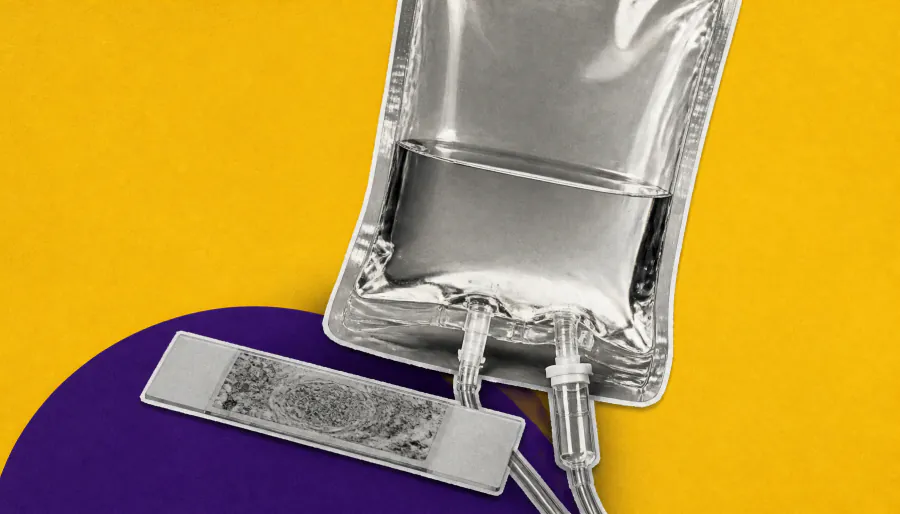
A subgroup analysis of the REGENCY trial found that obinutuzumab achieved nearly complete B-cell depletion in kidney tissue of lupus nephritis patients. Histologic response was reached three times more often in the obinutuzumab group compared to placebo. The findings suggest kidney biopsies — not just proteinuria — may be key to truly assessing disease activity.
A subgroup analysis of the REGENCY trial, presented at ACR Convergence, revealed that obinutuzumab (Gazyva, Genentech) — a potent B-cell depleting antibody — achieved nearly complete depletion of B cells in kidney tissue among patients with proliferative lupus nephritis. The analysis followed 64 patients (32 per group) receiving obinutuzumab or placebo on top of standard therapy, with kidney biopsies assessed at week 76.
The results were striking: histologic response was achieved three times more often in the obinutuzumab group. Even among patients who failed to hit the standard clinical renal response threshold, more than half in the obinutuzumab arm showed a NIH activity index of 0 — a marker of histologic remission.
Why it matters: Proteinuria — the standard yardstick for lupus nephritis — can persist due to kidney damage even without active inflammation, potentially masking true disease status. These findings highlight that tissue-level B-cell depletion may be a more accurate gauge of treatment success, and push the field toward better biomarkers for kidney inflammation.