Turn on cookies to sign in
Signing in saves your progress to your Curie account. We can only do that with cookies on — turn them on to continue.
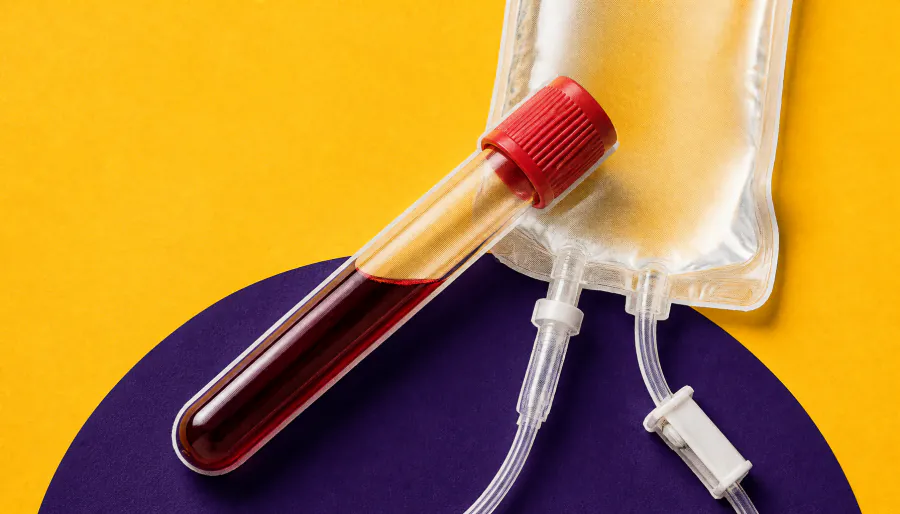
A major international study of 26,000+ men found that very low testosterone levels are linked to an 18% higher risk of dying from cancer. Surprisingly, testosterone had no connection to prostate cancer risk — that was tied to two other hormones. Experts say low testosterone may be an early warning sign worth investigating, but not a reason to rush for supplements.
A landmark study published in The Lancet Healthy Longevity tracked more than 26,000 men across 11 long-running studies in Australia, the US, and Europe — and found a striking link between low testosterone and cancer mortality. Men in the lowest fifth of testosterone levels faced an 18% higher risk of dying from cancer compared to those in the highest fifth, even after accounting for age and other health factors. The key threshold: levels below 8.6 nmol/L appeared to be where risk started climbing.
Here's the twist — testosterone had no meaningful connection to prostate cancer risk. Instead, prostate cancer was more closely tied to low levels of sex hormone-binding globulin (SHBG) and luteinizing hormone. This challenges long-held assumptions, given that testosterone suppression is actually a treatment for prostate cancer.
Researchers are careful to note this is an association, not proof of causation — and low testosterone is not a green light to start supplements. Instead, they say it should prompt a full health checkup to uncover underlying conditions or lifestyle risk factors.
Key Takeaways
Why it matters: Low testosterone could serve as a practical, measurable biomarker to identify men at higher future health risk — giving clinicians an earlier window to intervene with lifestyle counseling and comprehensive screening.