Turn on cookies to sign in
Signing in saves your progress to your Curie account. We can only do that with cookies on — turn them on to continue.
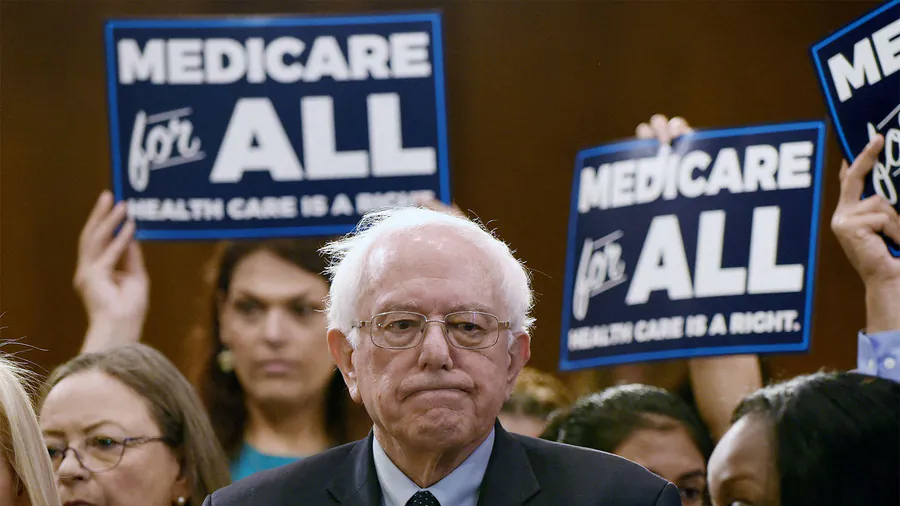
The 2026 midterm blue wave has reinvigorated the Medicare for All movement, with progressive candidates successfully campaigning on universal healthcare in states like Michigan, Texas, and Iowa. But even with a Democratic majority, experts warn that turning the popular slogan into law faces massive political, financial, and industry hurdles. The debate is set to dominate the lead-up to the 2028 presidential primaries.
The 2026 midterm elections handed Democrats a significant majority and put Medicare for All back in the spotlight. Progressive candidates — most notably Michigan senator-elect Abdul El-Sayed, MD — successfully campaigned on universal healthcare, riding a wave of voter frustration over skyrocketing premiums, medical debt, and insurance red tape. Nearly 60% of Americans now say they support some form of Medicare for All, the highest level of support in nearly a decade.
But translating that energy into legislation is a different story. Experts caution that even within the Democratic majority, there's no consensus on what "Medicare for All" actually means — proposals range from a full government takeover of private insurance to a public option or a guaranteed baseline plan. More moderate Democrats, especially those who flipped red-leaning seats, are unlikely to back sweeping reforms that could cost them at the next election. Meanwhile, the healthcare industry — which spent over $700 million on lobbying in 2022 alone — is already gearing up to fight back.
By the Numbers:
Why it matters: The affordability crisis in American healthcare is reaching a breaking point, and the midterm results have made reform politically unavoidable. Whether that means a sweeping Medicare for All overhaul or smaller bipartisan fixes — like reinstating ACA subsidies or curbing prior authorizations — the pressure on lawmakers to act is greater than it's been in years.