Turn on cookies to sign in
Signing in saves your progress to your Curie account. We can only do that with cookies on — turn them on to continue.
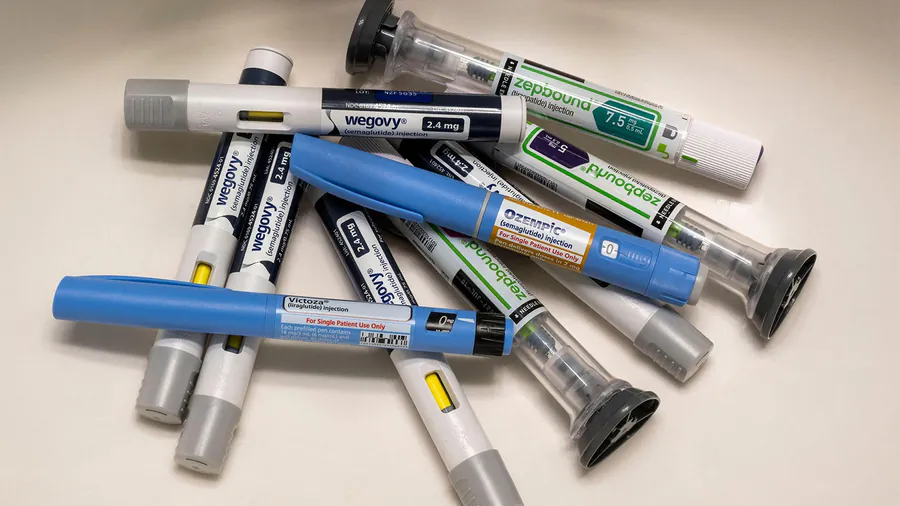
GLP-1 receptor agonists lower obesity-related cancer risk compared to insulin and sulfonylureas, but the benefit depends heavily on how severe a patient's diabetes is. A large cohort study found no significant cancer risk difference between GLP-1s and metformin, SGLT2 inhibitors, or DPP4 inhibitors. Meanwhile, GLP-1 prescribing among cancer patients with type 2 diabetes is rising but is driven more by metabolic profile than cancer status.
GLP-1 receptor agonists have been generating buzz for their potential to reduce obesity-related cancer (ORC) risk — but a major new study published in JAMA Network Open says the picture is more nuanced than headlines suggest. A retrospective cohort analysis of over 359,000 adults with type 2 diabetes found that GLP-1 users had meaningfully lower ORC risk compared to insulin and sulfonylurea users, but no significant difference versus metformin, SGLT2 inhibitors, or DPP4 inhibitors. Crucially, the cancer risk benefit was most pronounced in patients with low-severity diabetes.
A separate study also in JAMA Network Open found that GLP-1 use among Medicare patients with cancer and type 2 diabetes rose sharply from 2010 to 2022 — but prescribing decisions were driven primarily by metabolic risk factors, not cancer diagnosis. Disparities in access were also flagged, with older, Black, and Hispanic patients less likely to receive GLP-1s.
By the Numbers:
Why it matters: These findings caution against blanket assumptions that GLP-1s prevent cancer. Diabetes severity, treatment history, and patient profile all shape outcomes — and equitable access to these drugs remains an unresolved challenge.