Turn on cookies to sign in
Signing in saves your progress to your Curie account. We can only do that with cookies on — turn them on to continue.
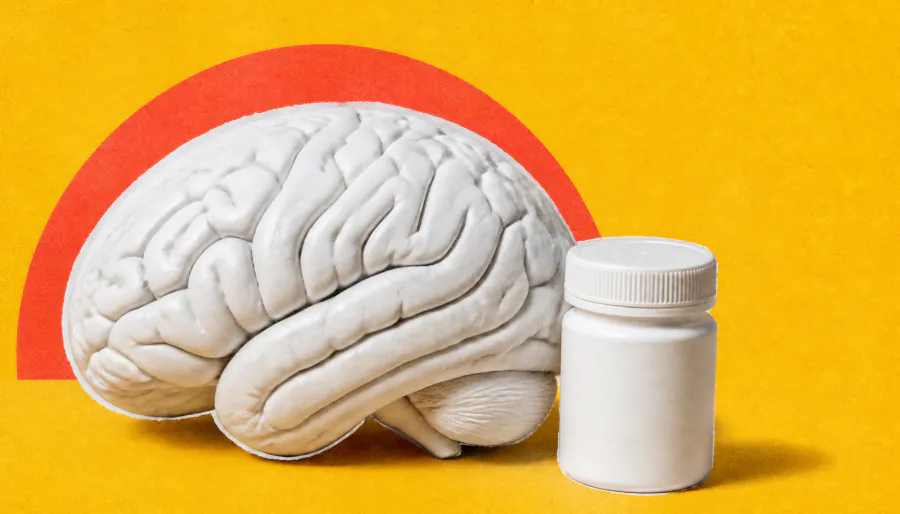
An anti-aging drug shows early promise against Alzheimer's. A new study from the University of Missouri found that just four weeks of low-dose rapamycin improved brain blood flow in middle-aged adults carrying the APOE4 gene — a major Alzheimer's risk factor — with women seeing the greatest gains. The findings point toward a potential early intervention strategy before memory loss ever begins.
Could a transplant drug slow Alzheimer's before it starts?
Researchers at the University of Missouri have found that rapamycin — a drug already used to prevent organ rejection — may improve brain blood flow in people genetically predisposed to Alzheimer's disease. The study focused on healthy middle-aged adults (ages 45–65) carrying the APOE4 gene variant, which significantly raises Alzheimer's risk. After just four weeks of low daily doses, APOE4 carriers showed measurable improvements in cerebral blood flow — a change not seen in non-carriers.
What makes this especially notable: declining brain blood flow can occur years before any memory symptoms appear, making it a potential early warning sign and intervention target. Women with APOE4 saw the largest improvements, a meaningful finding given that women make up nearly two-thirds of all Alzheimer's patients.
Key Takeaways:
Why it matters: With no cure for Alzheimer's, identifying interventions that target biological changes before symptoms emerge is a critical frontier. This pilot trial suggests rapamycin could be a viable early-prevention tool for the genetically vulnerable — and sets the stage for larger clinical studies.