Turn on cookies to sign in
Signing in saves your progress to your Curie account. We can only do that with cookies on — turn them on to continue.
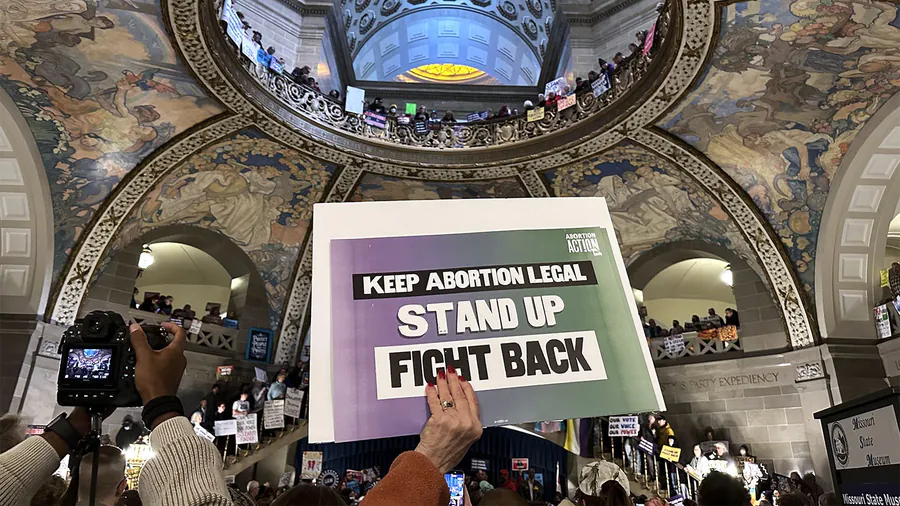
Voters across the U.S. weighed in on reproductive and transgender rights during Tuesday's midterm elections. Abortion-rights measures passed in Missouri, Virginia, and Nevada, while Idaho's measure failed. Meanwhile, Nebraska and Arizona approved constitutional restrictions on transgender medical care and school sports, with similar measures on the table in Colorado and Washington.
Tuesday's midterm elections doubled as a major referendum on reproductive and transgender rights, with voters in more than three dozen states deciding 145 ballot measures. Abortion-rights advocates came out on top in Missouri, Virginia, and Nevada — enshrining protections ranging from first-trimester access to full pre-viability rights into state constitutions. Missouri's result was especially notable, as voters rejected a Republican-backed measure that would have reimposed abortion restrictions just two years after they became the first state to undo an existing abortion ban.
Not every abortion measure succeeded, though. Idaho voters rejected a measure that would have created abortion rights in state law, leaving in place one of the country's strictest bans. On the transgender front, Nebraska and Arizona passed measures adding medical restrictions and school sports bans to their constitutions, while Colorado and Washington voters considered similar initiatives.
Key Takeaways:
Why it matters: These ballot results will directly shape what reproductive and gender-affirming healthcare is legally available — and to whom — across multiple states, with real consequences for patients, providers, and healthcare systems.