Turn on cookies to sign in
Signing in saves your progress to your Curie account. We can only do that with cookies on — turn them on to continue.
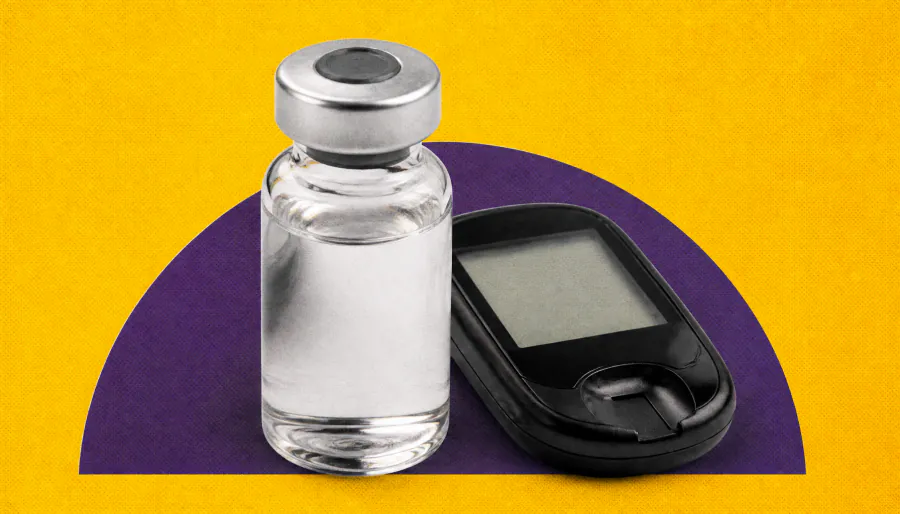
People with diabetes face roughly double the risk of acute hepatitis B infection compared to those without diabetes, yet vaccination and screening remain underutilized. Experts recommend HBV vaccination for all adults with diabetes under 60, with individualized decisions for older patients. Early detection, coordinated care, and newer liver-directed therapies can dramatically improve outcomes.
People living with diabetes carry a significantly elevated risk for hepatitis B virus (HBV) infection — yet it's a connection that often flies under the radar in routine diabetes care. A new expert Q&A highlights why HBV vaccination and screening should be standard practice for this population, and how a coordinated, team-based approach can close critical care gaps.
Diabetes can impair immune responses, making it harder for the body to clear HBV and raising the risk of chronic infection. The risk is compounded by the fact that people with diabetes are also more prone to metabolic dysfunction-associated steatotic liver disease (MASLD), which can progress to cirrhosis or liver cancer — meaning an already-vulnerable liver faces even greater threats from viral hepatitis. On the treatment front, the field is moving fast: resmetirom and semaglutide are now FDA-approved for noncirrhotic MASH with moderate-to-advanced fibrosis, and phase 3 trials of FGF21 analogs are underway.
Key Takeaways:
Why it matters: For the millions of people managing diabetes, hepatitis B is not just a liver problem — it's a cardiometabolic risk factor. Integrating HBV vaccination and screening into routine diabetes care is a straightforward, high-impact step that clinicians across specialties can take today.