Turn on cookies to sign in
Signing in saves your progress to your Curie account. We can only do that with cookies on — turn them on to continue.
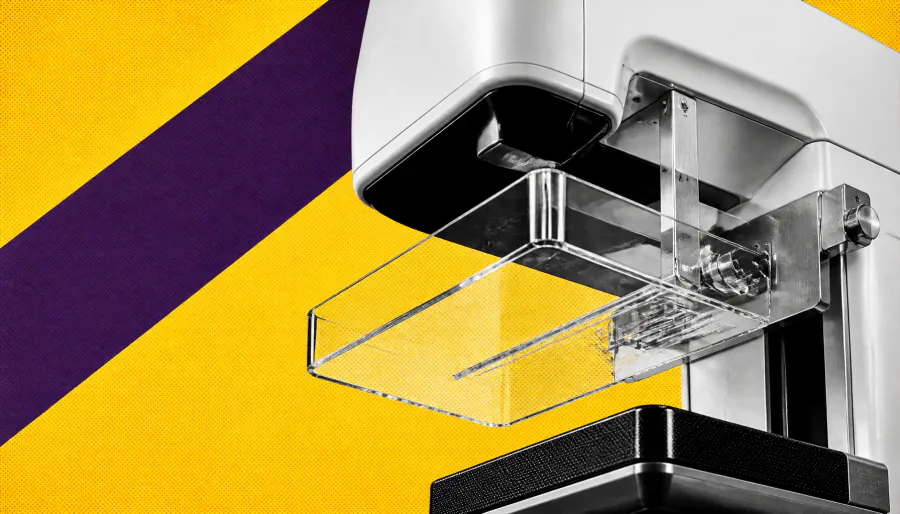
Surveillance mammography after breast cancer may not lower the risk of a second advanced breast cancer in older women, a new JAMA Surgery study finds. Researchers tracked nearly 10,000 women aged 67–100 and found no significant difference in advanced second primary breast cancer rates between those who continued mammograms and those who didn't. The findings suggest surveillance decisions should be personalized, weighing individual risks and burdens.
For older breast cancer survivors, routine follow-up mammograms are standard practice — but a new study published in JAMA Surgery is raising questions about whether they're actually making a difference. Researchers analyzed data from nearly 10,000 women aged 67–100 with a history of breast cancer and found that continued surveillance mammography was not associated with a meaningfully reduced risk of developing advanced second primary breast cancer.
The retrospective cohort study used SEER-Medicare data, following women diagnosed with a first unilateral, nonmetastatic breast cancer between 2004 and 2008. Over a mean follow-up of 7.3 years, 80% of participants continued surveillance mammography. Despite more frequent imaging, those women showed no statistically significant advantage in avoiding advanced second cancers — and the absolute risk of advanced cancer remained low across both groups.
By the Numbers:
Why it matters: These findings challenge the one-size-fits-all approach to post-cancer mammography in older women. Clinicians are encouraged to have individualized conversations with patients, weighing the potential burdens of continued surveillance against uncertain benefits.