Turn on cookies to sign in
Signing in saves your progress to your Curie account. We can only do that with cookies on — turn them on to continue.
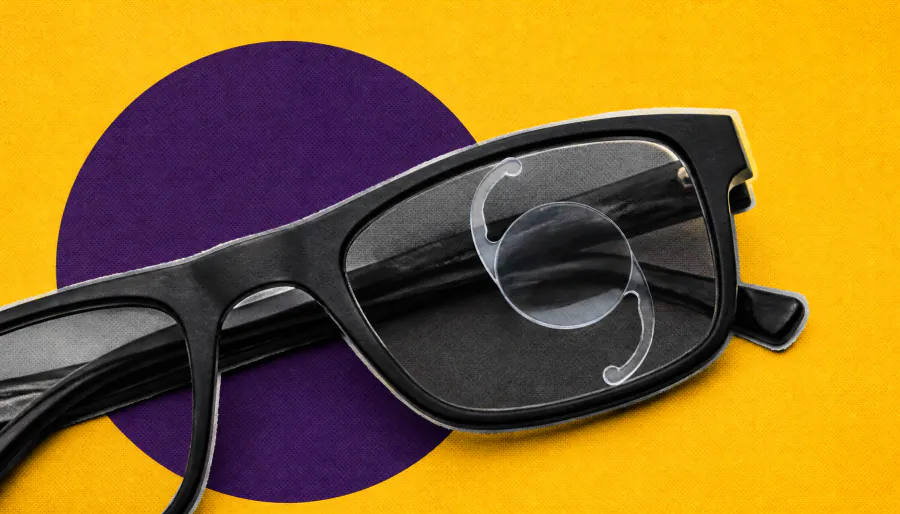
Advanced-technology intraocular lenses (ATIOLs) are no longer just for straightforward cataract cases. Experts say careful patient selection, thorough preoperative assessment, and newer lens designs now make spectacle-free vision a realistic goal for many patients with glaucoma, macular disease, dry eye, and even amblyopia — though caution and informed consent remain essential.
Not long ago, patients with ocular comorbidities were largely excluded from advanced-technology intraocular lenses (ATIOLs) during cataract surgery. But a new wave of lens innovations — from extended depth of focus (EDOF) lenses to the Light Adjustable Lens (LAL) — is expanding the pool of eligible candidates, according to experts from the CEDARS/ASPENS ophthalmology society.
The key, specialists say, is meticulous preoperative evaluation. Optimizing the ocular surface is a non-negotiable first step, and lens selection must be tailored to each patient's specific pathology. Trifocal or EDOF lenses may now be appropriate for patients with mild glaucoma and no visual field defects, while the LAL is preferred when contrast sensitivity is a concern. Patients with macular disease, amblyopia, or irregular corneas require especially individualized counseling and realistic expectations.
Key Takeaways:
Why it matters: As lens technology advances, ophthalmologists have more tools than ever to offer spectacle independence — but matching the right lens to the right patient remains both an art and a science.