Turn on cookies to sign in
Signing in saves your progress to your Curie account. We can only do that with cookies on — turn them on to continue.
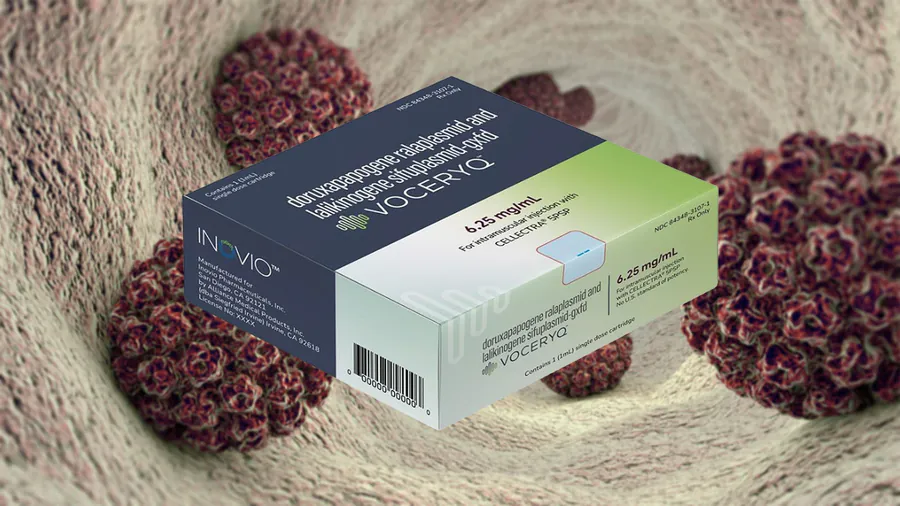
A new immunotherapy for a rare, surgery-dependent airway condition just got the FDA's green light. Voceryq (doruxapapogene ralaplasmid-lalikinogene sifuplasmid) became the first plasmid DNA-based immunotherapy to receive FDA accelerated approval, targeting recurrent respiratory papillomatosis (RRP) — a wart-like airway disease caused by HPV. The therapy aims to reduce how often patients need surgery to clear their airways.
The FDA has granted accelerated approval to Voceryq (doruxapapogene ralaplasmid-lalikinogene sifuplasmid), a first-of-its-kind plasmid DNA-based immunotherapy for adults with recurrent respiratory papillomatosis (RRP) — a rare, chronic condition where HPV-driven wart-like growths develop in the airways, especially around the larynx. Until now, repeated surgeries were the only way to manage the disease, with no cure available.
Voceryq works by delivering genetic code for HPV proteins and interleukin-12 into patients' own cells, prompting the immune system to attack HPV type 6 and 11-infected cells. Treatment begins with surgical debulking of visible growths, followed by four intramuscular doses every three weeks, administered alongside the proprietary CELLECTRA 5PSP delivery device.
By the Numbers:
Why it matters: Every RRP surgery carries a risk of laryngeal injury, making a therapy that can reduce — or even eliminate — the need for repeat procedures a meaningful quality-of-life advance for patients living with this relentless disease.