Turn on cookies to sign in
Signing in saves your progress to your Curie account. We can only do that with cookies on — turn them on to continue.
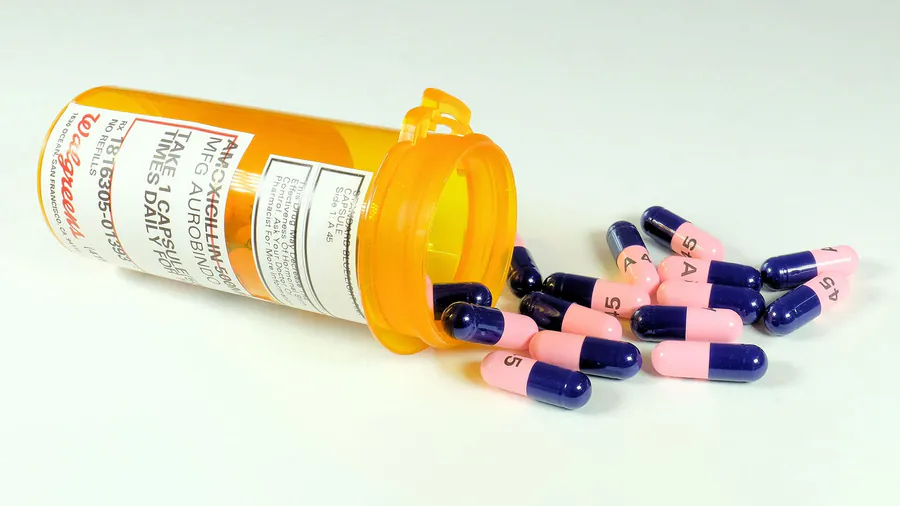
A new survey reveals that over 27% of U.S. adults have misrepresented symptoms to get antibiotic prescriptions — and most of them succeeded. Caregivers weren't far behind, with 26.7% admitting to faking or exaggerating their child's symptoms. Experts warn this trend signals a serious threat to antimicrobial stewardship and patient-clinician trust.
A new survey published in JAMA Network Open found that more than one in four U.S. adults have misrepresented symptoms — either exaggerating or outright fabricating them — to obtain antibiotic prescriptions. Among 959 adults surveyed in early 2026, 27.9% admitted to symptom misrepresentation, and a striking 76.9% of those said they successfully walked away with a prescription. Cold-like symptoms were the most commonly faked, followed by stomach issues and joint or muscle pain.
Caregivers showed a similar pattern: 26.7% of 236 caregiver respondents admitted to misrepresenting their child's symptoms, with an even higher success rate of 87.3%. Feeling dismissed by clinicians was the top driver of dishonesty in both groups, and fewer than 30% of adults expressed any regret about doing so.
By the Numbers:
Why it matters: This pattern of symptom misrepresentation — combined with clinicians potentially yielding to perceived patient demand — poses a serious threat to antimicrobial stewardship efforts and accelerates the rise of antibiotic resistance. Experts emphasize that improving health literacy and rebuilding patient-clinician trust are critical steps toward reversing this trend.