Turn on cookies to sign in
Signing in saves your progress to your Curie account. We can only do that with cookies on — turn them on to continue.
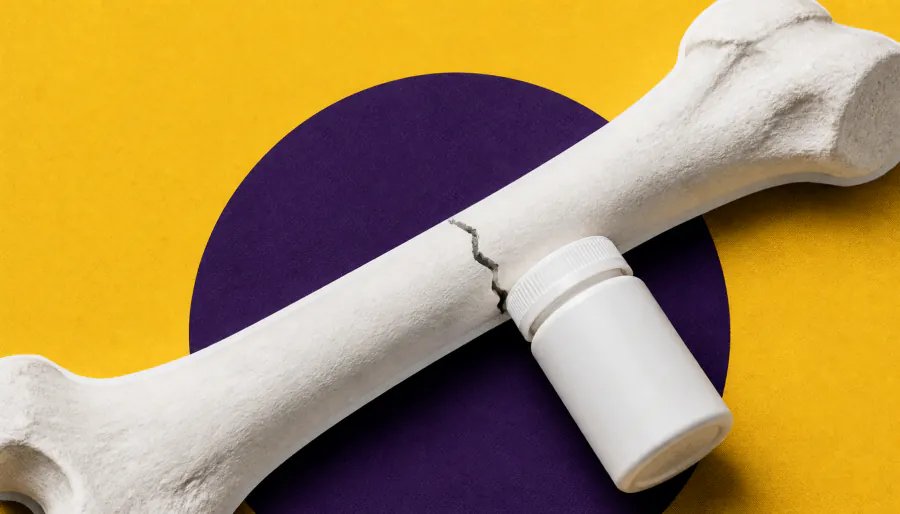
A common post-thyroidectomy therapy may be quietly weakening bones. A new review in Thyroid found that long-term levothyroxine therapy used to suppress TSH after differentiated thyroid cancer surgery is linked to lower bone mineral density, osteoporosis, and higher fracture risk. Researchers say it's time to weigh cancer control against long-term bone health — especially as patients live longer.
After a thyroidectomy for differentiated thyroid cancer, many patients are kept on long-term levothyroxine therapy to suppress thyroid-stimulating hormone (TSH) and reduce the chance of cancer coming back. But a new literature review published in Thyroid raises a flag: that same suppression may be quietly taking a toll on patients' bones.
Researchers from the University of Ottawa and University of Toronto analyzed 35 studies involving nearly 12,000 patients. They found that greater TSH suppression was consistently linked to lower bone mineral density (BMD), osteoporosis, increased fracture risk, and higher bone turnover markers. Longer treatment duration also correlated with bone loss. Cardiometabolic effects — like cardiac rhythm abnormalities and higher cholesterol — were noted in some studies, though evidence was more mixed.
Key Takeaways:
Why it matters: As thyroid cancer survival rates improve, the long-term side effects of treatment matter more than ever. Clinicians are being urged to periodically reassess TSH targets, counsel patients on bone health risks, and use shared decision-making to balance cancer control with quality of life.