Turn on cookies to sign in
Signing in saves your progress to your Curie account. We can only do that with cookies on — turn them on to continue.
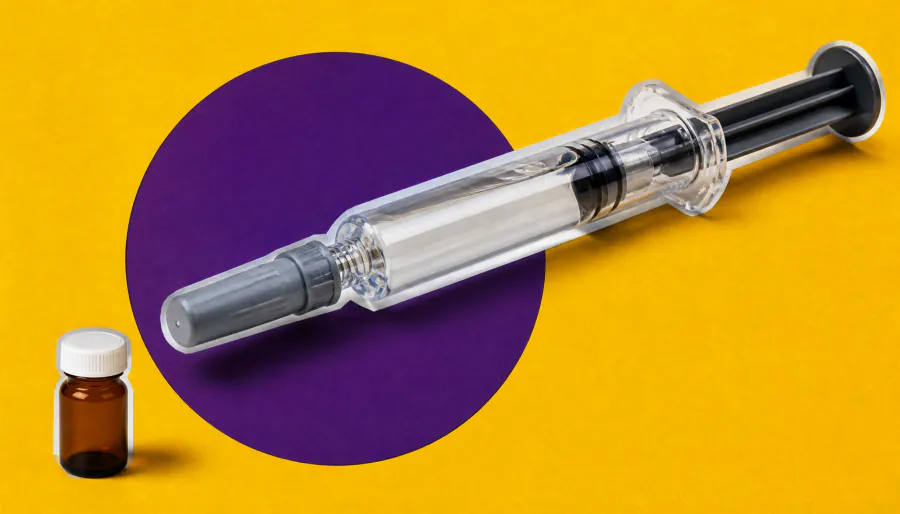
A new once-monthly subcutaneous injectable for schizophrenia is here. The FDA approved Weltruza (olanzapine) in October, making it the first of its kind — no loading doses, no oral supplementation, and no post-injection monitoring required. Experts say it could significantly reduce relapses by tackling one of schizophrenia treatment's biggest hurdles: adherence.
A new once-monthly injectable could transform schizophrenia care
The FDA approved Weltruza (olanzapine, Teva Pharmaceuticals) in October as the first once-monthly subcutaneous long-acting injectable (LAI) for adults with schizophrenia. Unlike its intramuscular predecessor, Weltruza uses a proprietary copolymer technology that controls drug release gradually — eliminating the risk of post-injection delirium/sedation syndrome (PDSS), a dangerous complication that previously required 3-hour observation periods with older formulations.
Adherence has long been the Achilles' heel of schizophrenia treatment. Daily oral medications are easy to miss, and non-adherence is closely tied to relapse, hospitalizations, and worse long-term outcomes. Weltruza's once-monthly subcutaneous delivery — administered in the abdomen — aims to close that gap, reduce caregiver stress, and free up clinical conversations to focus on patient goals rather than pill-taking.
By the Numbers
Why it matters: Olanzapine is one of the most effective antipsychotics available, but its daily oral form has posed adherence challenges for patients who struggle with consistent medication-taking. Weltruza brings that proven efficacy into a simpler, safer monthly format — potentially improving outcomes for some of the most vulnerable patients with schizophrenia.