Turn on cookies to sign in
Signing in saves your progress to your Curie account. We can only do that with cookies on — turn them on to continue.
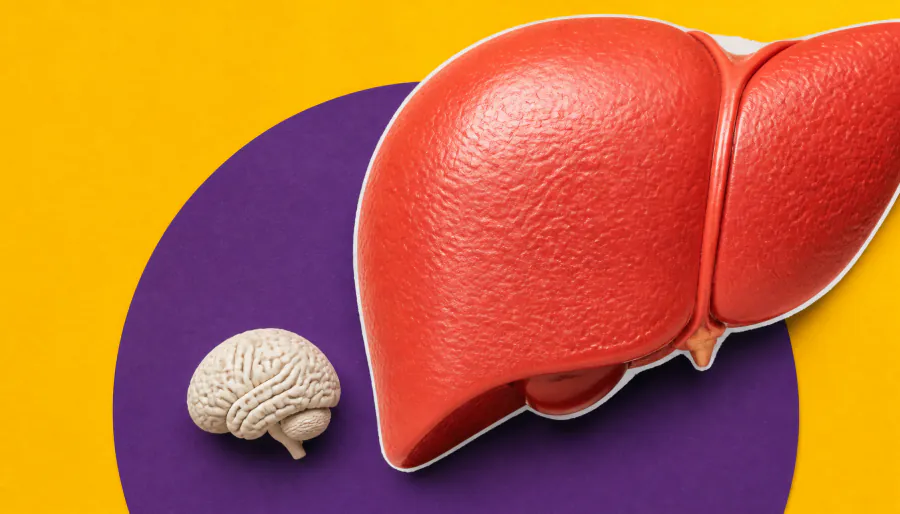
Could the liver be a secret weapon against Alzheimer's and heart disease? USC researchers found that an experimental drug called cinaciguat reversed aging in liver cells of older rats, slashing amyloid beta levels by 50% and returning bad cholesterol to youthful levels — all in just two weeks. The findings, published in the Journal of Biological Chemistry, open a surprising new front in the fight against two of aging's biggest threats.
Could the liver be a secret weapon against Alzheimer's and heart disease? USC researchers found that an experimental drug called cinaciguat reversed key signs of aging in specialized liver cells — known as liver sinusoidal endothelial cells (LSECs) — in older rats. These cells line tiny blood vessels in the liver and contain microscopic pores that filter harmful substances from the blood. As we age, those pores shrink and close, letting more damaging compounds accumulate in circulation.
After just two weeks of cinaciguat treatment, the drug reopened those pores and restored a previously unknown chemical signaling pathway between liver cells — prompting hepatocytes to capture more amyloid beta and LDL from the bloodstream. The findings, published in the Journal of Biological Chemistry, mark the first time a drug has been shown to fully restore aging LSEC structure and function.
By the Numbers:
Why it matters: Targeting the liver sidesteps the notoriously difficult blood-brain barrier, offering a potentially more accessible route for drug delivery. While results are so far limited to rats, the discovery could reshape how scientists approach Alzheimer's prevention and cardiovascular disease research.