Turn on cookies to sign in
Signing in saves your progress to your Curie account. We can only do that with cookies on — turn them on to continue.
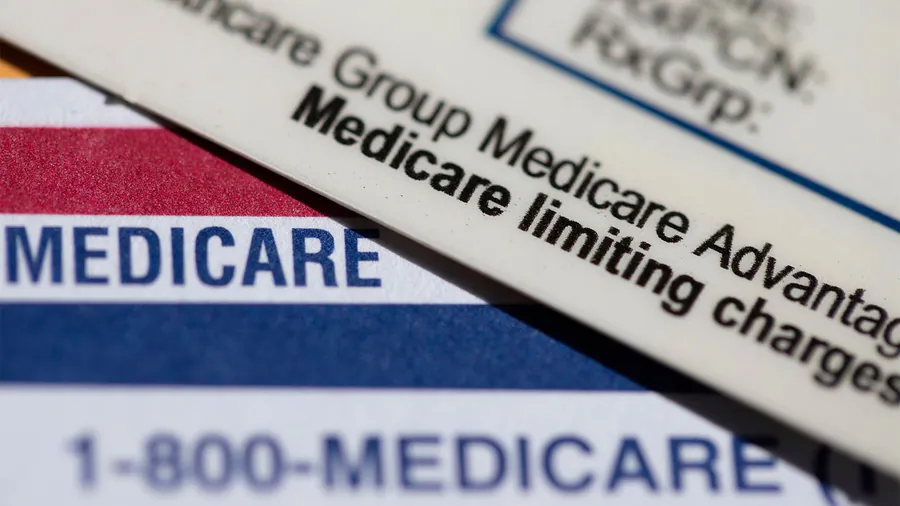
Older Americans are feeling the financial squeeze of rising Medicare costs, prescription drug prices, and long-term care expenses — and they're taking those concerns to the ballot box. With 83% of voters over 50 highly motivated to vote, healthcare affordability has become a defining midterm issue. From drug rationing to Social Security solvency, the stakes couldn't feel more personal.
Older Americans are sounding the alarm on healthcare affordability as midterm elections approach. Rising Medicare costs, prescription drug prices, and long-term care expenses are straining household budgets — and for many, the financial pressure is deeply personal. Barbara Weigand, 83, recently withdrew $4,000 from her retirement savings to cover cancer treatment costs and is now considering rationing her medications to make them last longer.
With Medicare's open enrollment underway, enrollees are navigating a wave of changes for 2027 — including higher Part D out-of-pocket caps, the end of temporary federal premium subsidies, and insurers pulling out of some markets. Meanwhile, the Trump administration has pursued most-favored-nation drug pricing deals and launched a discount drug website, but affordability gaps persist.
By the Numbers:
Why it matters: With tens of millions of older Americans relying on Medicare, Social Security, and long-term care support, healthcare affordability isn't just a policy debate — it's a kitchen-table crisis that could shape the outcome of the 2026 midterm elections.