Turn on cookies to sign in
Signing in saves your progress to your Curie account. We can only do that with cookies on — turn them on to continue.
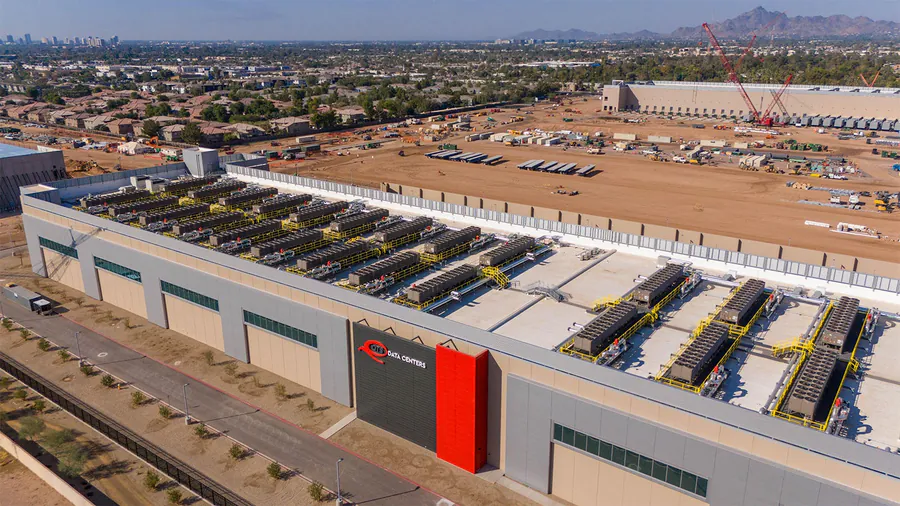
The rapid expansion of AI-powered data centers is sparking community health concerns — and reshaping midterm politics. Residents near proposed sites worry about air pollution, noise, water contamination, and light pollution linked to the massive facilities. Emerging research suggests these centers could cause nearly 1,300 deaths annually by 2030, turning data center opposition into a surprising bipartisan issue.
The explosive growth of hyperscale data centers — the massive facilities powering AI infrastructure — is triggering a public health backlash that's now spilling into the 2026 midterm elections. Communities from Page, Arizona to rural Ohio are pushing back against proposed and existing centers, citing concerns over air pollution from diesel generators, water contamination from cooling chemicals, noise exceeding 90 decibels, light pollution, and rising local temperatures from so-called "data heat islands."
The political fallout is cutting across party lines. Two-thirds of Americans oppose new data center construction, and the issue has become a liability for politicians — including some Republicans — who previously championed the facilities as economic wins. In Ohio alone, more than a dozen local referendums on data center construction will appear on November ballots.
By the Numbers:
Why it matters: As AI infrastructure demands surge, the health and environmental costs of data centers are becoming impossible to ignore. With research still in early stages and construction decisions being made now, communities and policymakers face pressure to act before the full scope of harm is understood.