Turn on cookies to sign in
Signing in saves your progress to your Curie account. We can only do that with cookies on — turn them on to continue.
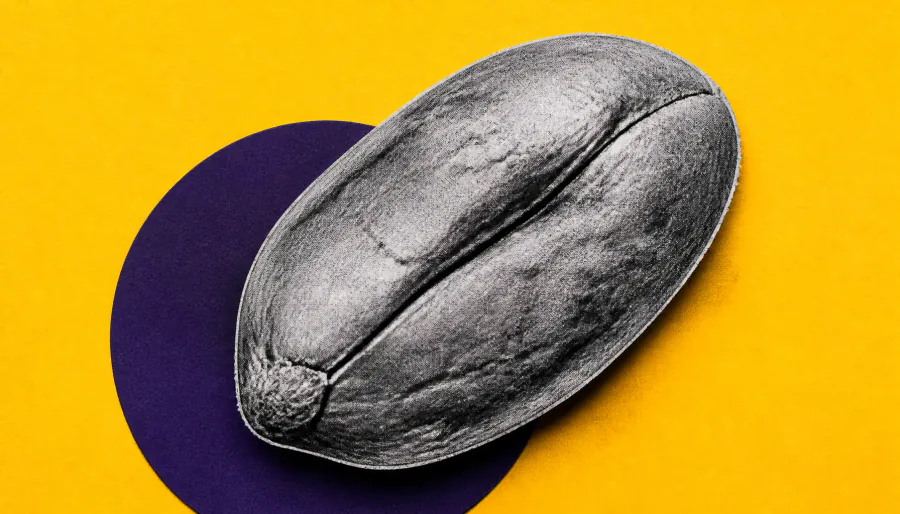
Daily peanuts could be a brain booster for older adults. A new study from Maastricht University found that eating two servings of unsalted, skin-roasted peanuts daily for 16 weeks improved insulin responsiveness in memory-related brain regions — an effect that may help guard against age-related cognitive decline and Alzheimer's disease.
Daily peanuts could be a brain booster for older adults. A new study from Maastricht University Medical Center, published in Food & Function, found that eating about 60 grams (two servings) of unsalted, skin-roasted peanuts daily for 16 weeks improved insulin responsiveness in key memory-related brain regions of older adults. The affected areas included parts of the hippocampus, lingual gyrus, parahippocampal gyrus, and posterior cingulate gyrus — all critical to memory function.
Insulin isn't just a blood sugar regulator; it also supports nerve cell growth, survival, and communication in the brain. As people age, the brain can become less responsive to insulin — a change linked to cognitive decline and Alzheimer's disease. Researchers used arterial spin labeling MRI to measure brain blood flow and track insulin responsiveness, making this one of the more rigorously designed dietary brain studies to date.
By the Numbers:
Why it matters: A simple, affordable dietary habit — eating a handful of peanuts daily — could offer a practical, low-risk strategy to support brain health in aging populations, potentially complementing efforts to delay or prevent cognitive decline.