Turn on cookies to sign in
Signing in saves your progress to your Curie account. We can only do that with cookies on — turn them on to continue.

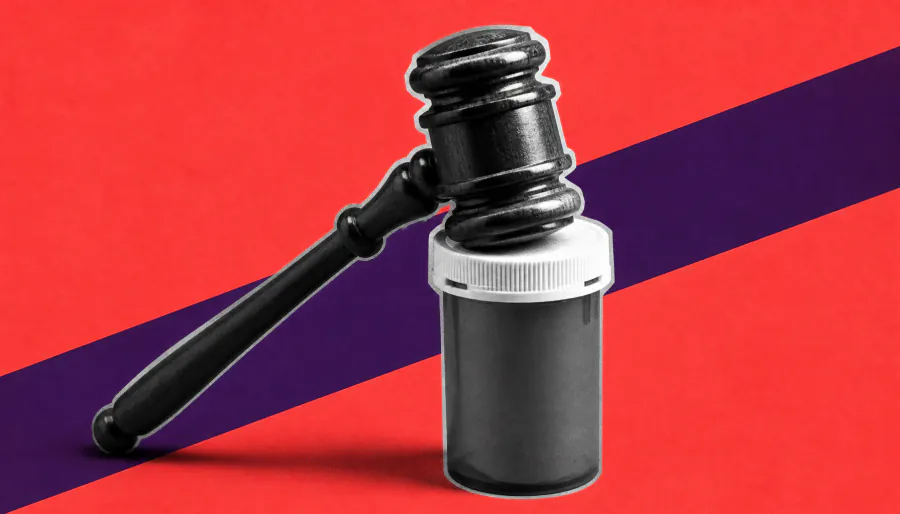
As AI takes on more clinical roles, the American Medical Association has released a liability framework spelling out exactly who bears responsibility when things go wrong. The framework distributes accountability across developers, healthcare organizations, and physicians — based on each party's ability to prevent harm. Crucially, doctors can't be penalized for declining unproven AI tools.
As AI increasingly steps into clinical decision-making, a big question looms: when something goes wrong, who's responsible? The American Medical Association (AMA) is stepping in with a new liability framework that takes a clear stance — accountability should follow the ability to prevent harm, and it should be shared across all parties involved.
The framework, released by AMA's Center for Digital Health and AI, identifies three key players: AI developers, healthcare organizations deploying the tools, and the physicians using them. Each carries distinct obligations. Developers must ensure their systems are safe and validated. Organizations must conduct local testing and monitor outcomes. And physicians are responsible for the clinical judgment they can meaningfully exercise — but only within the bounds of what they can reasonably know and control.
Importantly, the AMA draws a firm line: physician oversight cannot substitute for proper system design or adequate evidence. Doctors also retain the right to decline AI tools whose clinical validation remains uncertain — without fear of organizational penalty.
Key Takeaways:
Why it matters: With agentic AI rapidly entering clinical workflows and federal regulation lagging behind, the AMA's framework offers a much-needed roadmap for accountability — protecting both patients seeking recourse and physicians navigating an evolving technological landscape.