Turn on cookies to sign in
Signing in saves your progress to your Curie account. We can only do that with cookies on — turn them on to continue.
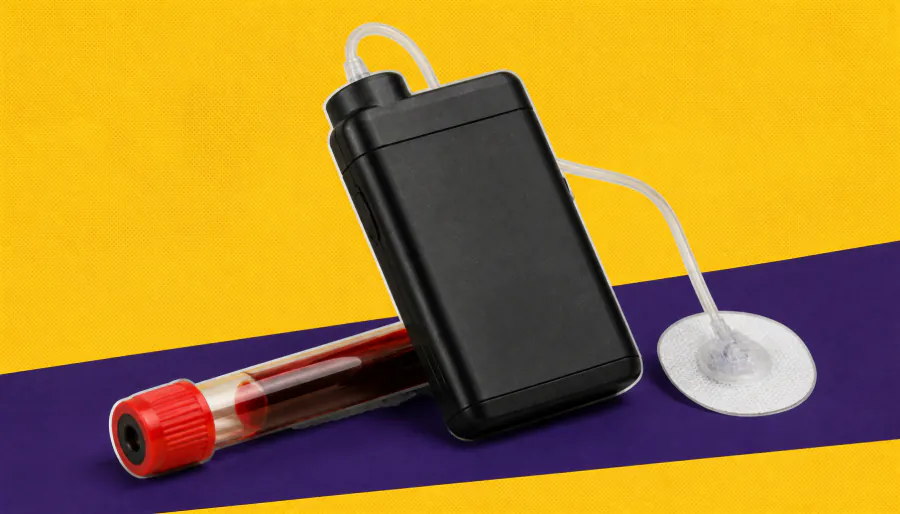
A real-world study found that the iLet bionic pancreas dramatically improved blood sugar control in young people with type 1 diabetes. After just 3 months, time in range jumped by 22.4 percentage points and HbA1c dropped by 1.8 points. Kids with the worst baseline control saw the biggest gains — offering hope for those who've struggled most with daily diabetes management.
A real-world study out of the University of Alabama at Birmingham found that the iLet bionic pancreas — an automated insulin delivery device that replaces carb counting with simple meal announcements — delivered impressive glycemic improvements in youths aged 6 to 21 with type 1 diabetes. Researchers tracked 71 patients over 3 months and found significant gains across multiple blood sugar metrics.
The results were especially striking for kids who were struggling the most at the start. Those with a baseline HbA1c of 9.5% or higher saw a 3-point drop in HbA1c and a 31.2-point jump in time in range — suggesting the device may be particularly valuable for youth who've had the hardest time managing their diabetes with conventional methods.
By the Numbers:
Why it matters: Pediatric type 1 diabetes management is notoriously demanding, and many kids — especially those from underserved backgrounds — fall short of glycemic targets. A simplified, automated system that showed improvements across racial-ethnic and insurance subgroups could meaningfully reduce health disparities and long-term diabetes complications.