Turn on cookies to sign in
Signing in saves your progress to your Curie account. We can only do that with cookies on — turn them on to continue.
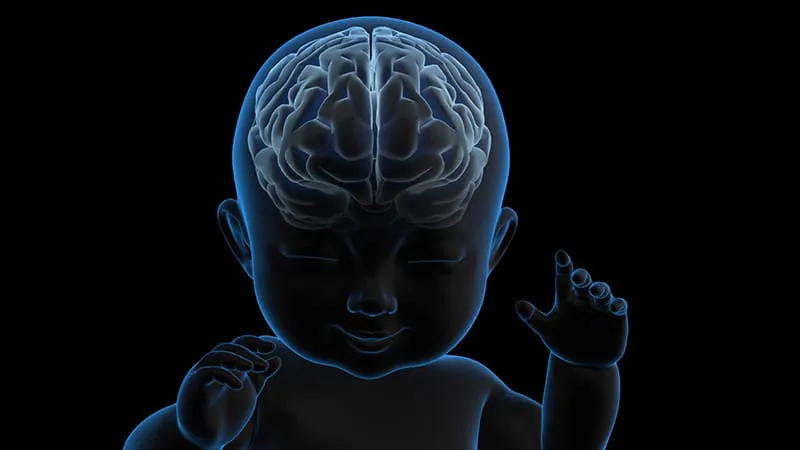
Therapy during pregnancy leaves a mark on baby's brain. A new Nature study found that infants born to mothers who received interpersonal psychotherapy (IPT) during pregnancy had smaller right hippocampal volumes at 6 weeks old compared to those whose mothers received standard care. The long-term significance is still unknown, but researchers say the findings highlight pregnancy as a critical window for mental health intervention.
Therapy during pregnancy leaves a mark on baby's brain
A new study published in Nature found that infants born to mothers who received interpersonal psychotherapy (IPT) during pregnancy had smaller right hippocampal volumes at around 6 weeks of age compared to infants whose mothers received enhanced usual care. The randomized study included 109 pregnant people with elevated depressive symptoms, with participants assigned to either eight weekly IPT sessions or standard care plus depression education.
Interestingly, smaller hippocampal volumes were associated with lower negative emotionality at 6 months — suggesting the brain differences may not be harmful. Researchers note that prenatal depression may accelerate early brain development, and treatment could alter that trajectory. However, the mechanism remains unclear, as changes in maternal depression, anxiety, and stress levels weren't directly linked to infant brain volume.
Key Takeaways
Why it matters: These findings reinforce the importance of accessible mental health support during pregnancy — not just for maternal well-being, but potentially for the next generation's brain development too.