Turn on cookies to sign in
Signing in saves your progress to your Curie account. We can only do that with cookies on — turn them on to continue.
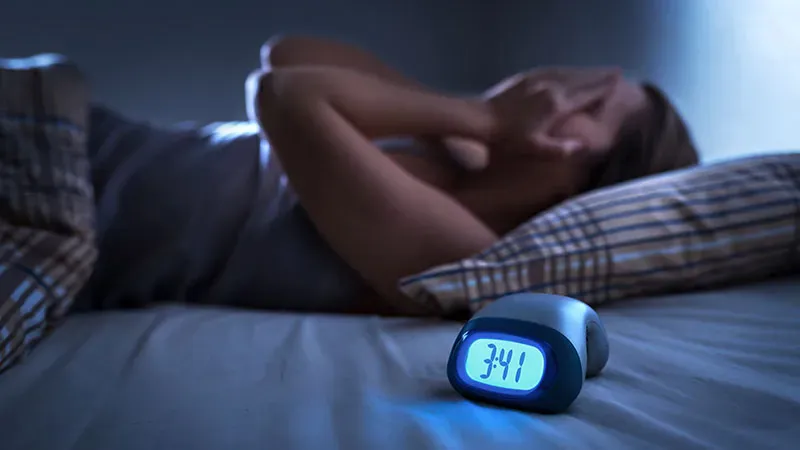
A digital cognitive behavioral therapy app called Sleepio significantly reduced insomnia in women with cancer — and also improved fatigue, depression, anxiety, and hot flashes. In a randomized trial of 308 women, insomnia remission at 24 weeks was more than twice as common with digital CBT compared to standard sleep hygiene education. Researchers say it's time to integrate this scalable tool into routine cancer survivorship care.
A randomized trial presented at the ESMO Annual Meeting 2026 found that Sleepio — a fully automated digital CBT app — dramatically outperformed standard sleep hygiene education in treating insomnia among women with cancer. Among all participants, insomnia remission at 24 weeks was more than twice as high with digital CBT (27% vs. 12%), and among those who completed the program, remission rates reached 62% vs. 19%. The effect size was large (Cohen's d = 0.99), and benefits held across cancer types and regardless of anti-endocrine therapy use.
What makes the findings especially compelling is the "one target, four symptoms improved" effect: digital CBT also led to significant gains in fatigue, depression, anxiety, and hot flash interference — a meaningful bonus for a population that routinely struggles with all of these. The app delivers six weekly sessions without requiring a therapist, making it far more scalable than in-person CBT.
By the Numbers:
Why it matters: Access to trained CBT therapists is limited, and sleeping medications remain widely overprescribed in cancer patients. A scalable, FDA-cleared digital tool that can be deployed in community hospitals and outpatient clinics — not just major cancer centers — could meaningfully close the treatment gap in cancer survivorship care.