Turn on cookies to sign in
Signing in saves your progress to your Curie account. We can only do that with cookies on — turn them on to continue.
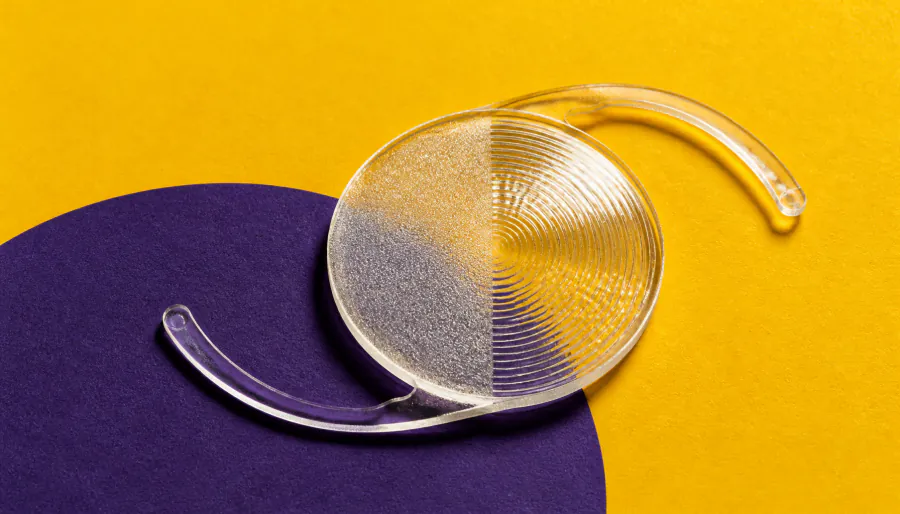
A new analysis of FDA adverse event reports reveals that multifocal and extended depth of focus (EDOF) intraocular lenses (IOLs) are more likely to trigger visual disturbances like glare and halos, while monofocal IOLs see more complaints about optical clarity. Researchers combed through over 17,000 MAUDE database reports spanning nearly a decade. The findings highlight trade-offs patients and surgeons should weigh when choosing an IOL type.
A retrospective analysis of FDA adverse event data is shedding new light on how different intraocular lens (IOL) types stack up when it comes to patient-reported problems. Researchers from Mayo Clinic analyzed over 17,000 reports from the FDA's MAUDE database (2016–2025) and found that the type of IOL implanted is closely tied to the kind of complaints patients experience after cataract surgery.
Multifocal and EDOF lenses were far more likely to generate reports of visual symptoms — nearly all patients in those groups (97.5% and 98.6%, respectively) reported some issue, compared to 85.5% for monofocal lenses. On the flip side, monofocal IOL users were more prone to clarity-related complaints, including opacification, glistening, and calcification.
Key Takeaways:
Why it matters: These findings don't tell us how often these issues occur in the broader population — MAUDE captures complaints, not usage rates — but they do reveal meaningful patterns that can help clinicians counsel patients on what to expect and guide shared decision-making when selecting an IOL.