Turn on cookies to sign in
Signing in saves your progress to your Curie account. We can only do that with cookies on — turn them on to continue.
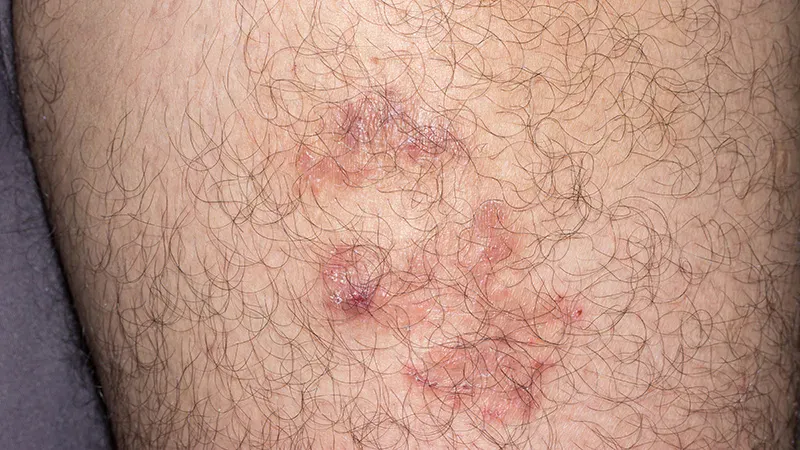
Beating mucous membrane pemphigoid is harder than it looks. A new study found that while all 77 patients with multisite MMP showed improvement, fewer than half (45%) achieved complete remission across every affected site — and it took a median of nearly three years to get there. Oral and eye involvement were the biggest hurdles, driving most relapses.
Mucous membrane pemphigoid (MMP) is a rare autoimmune blistering disease that can affect the mouth, eyes, nose, and other mucous membranes — and fully controlling it is proving to be a significant challenge. A retrospective study of 77 patients at a Texas tertiary center found that while every patient showed some improvement, complete remission (CR) across all affected sites was achieved by fewer than half. Most patients had high-risk disease involving the eyes, larynx, esophagus, or anogenital areas, and treatment often required intensive regimens including rituximab and JAK inhibitors.
Even among those who did reach full remission, the outcome was often not sustained — over half relapsed, with the mouth and eyes being the most common trouble spots. Skin disease cleared fastest, while esophageal disease was the most resistant to resolve.
By the Numbers:
Why it matters: MMP is often underestimated in its complexity. This study highlights that site-specific monitoring — especially for oral and ocular disease — is critical, and that achieving remission at one site doesn't mean the battle is won. Clinicians may need to rethink treatment targets and follow-up strategies for this challenging condition.