Turn on cookies to sign in
Signing in saves your progress to your Curie account. We can only do that with cookies on — turn them on to continue.
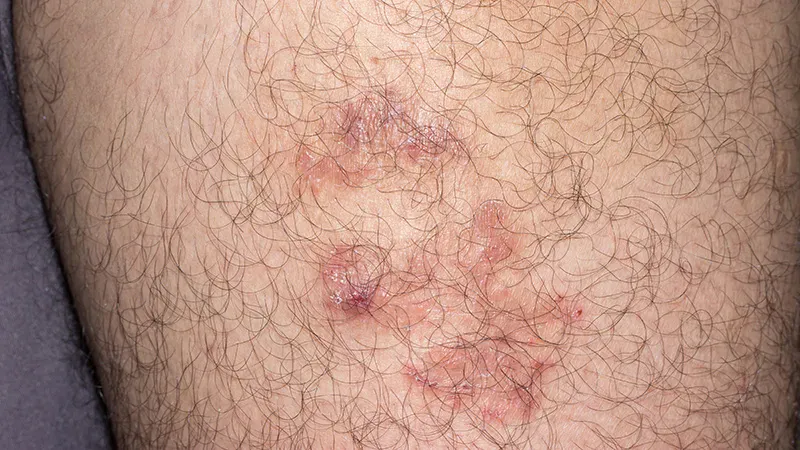
A phase 3 trial found that adding efgartigimod to prednisone didn't improve complete remission rates in moderate-to-severe pemphigus compared to placebo plus prednisone. Despite significant drops in disease-related antibody levels, those reductions didn't translate into better clinical outcomes. The safety profile remained consistent with prior studies of the drug.
A large phase 3 trial (ADDRESS) has found that adding subcutaneous efgartigimod to standard prednisone therapy did not meaningfully improve remission rates in adults with moderate-to-severe pemphigus. The randomized, double-blind trial enrolled 222 patients across 82 sites in 20 countries, comparing efgartigimod plus prednisone against placebo plus prednisone over 30 weeks.
Despite the drug producing notable reductions in immunoglobulin G and disease-specific antibody levels early in treatment, these biological changes didn't translate into better clinical outcomes. Remission rates, time to disease control, and total prednisone use were all similar between the two groups — a disappointing result for a therapy that had shown promise in other autoimmune conditions.
Key Takeaways:
Why it matters: Pemphigus is a rare, potentially life-threatening autoimmune blistering disease with limited treatment options. While efgartigimod's failure here is a setback, its acceptable safety profile keeps the door open for further investigation in autoimmune conditions.