Turn on cookies to sign in
Signing in saves your progress to your Curie account. We can only do that with cookies on — turn them on to continue.
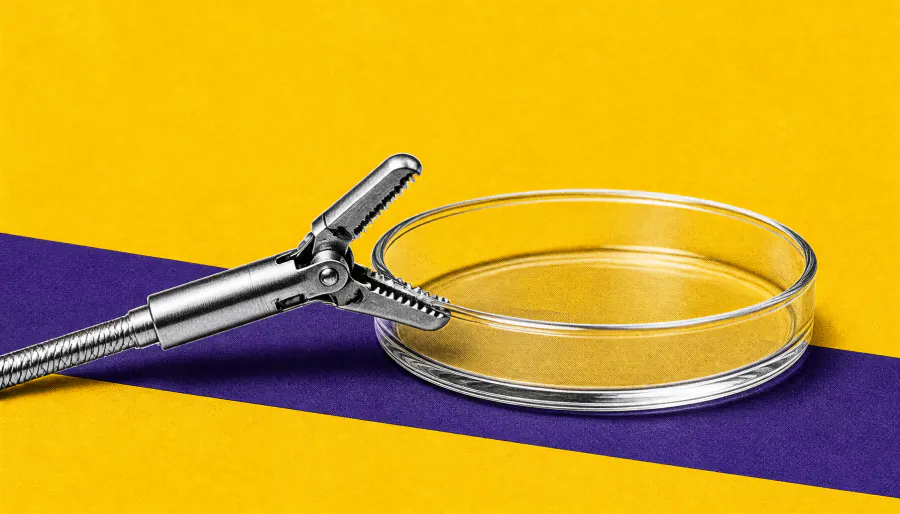
Targeting food triggers with immune data pays off for EoE patients. A small randomized trial found that iDIET — a personalized elimination diet guided by allergen-specific immune signatures — significantly reduced eosinophil counts and improved endoscopic outcomes compared to a sham diet. Traditional allergy tests have long fallen short for EoE, making this immune-directed approach a promising new direction.
Targeting food triggers with immune data pays off for EoE patients
Eosinophilic esophagitis (EoE) is a chronic allergic condition where identifying the right foods to eliminate has always been a challenge — until now. Researchers at the ACG Annual Scientific Meeting presented results from the iDIET trial, which used allergen-specific immune signatures (food-specific IgG4 from esophageal biopsies and peripheral blood T-cell stimulation across an 18-food panel) to build personalized elimination diets for EoE patients. The result? Meaningfully better outcomes than the standard sham diet approach.
In this small, double-blind, randomized study of 44 patients, those on iDIET saw significantly lower peak eosinophil counts and greater improvements in endoscopic and histologic severity scores after just 8 weeks.
By the Numbers:
Why it matters: Traditional allergy tests simply don't work well for EoE, leaving patients cycling through multiple endoscopies to identify triggers. iDIET offers a smarter, immune-guided path forward — though larger studies are needed to refine cut-off values and confirm results at scale.