Turn on cookies to sign in
Signing in saves your progress to your Curie account. We can only do that with cookies on — turn them on to continue.
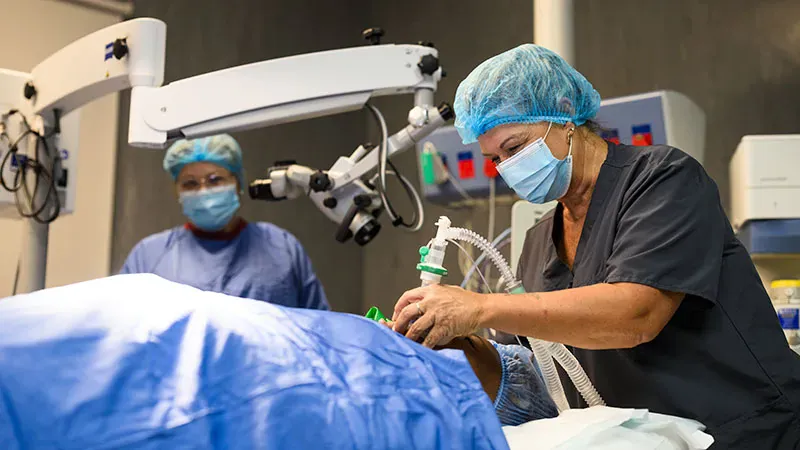
Adding dexmedetomidine after fetal delivery during C-sections significantly improved patient satisfaction with sedation and pain control compared to a placebo. The drug also cut intraoperative pain and nausea rates dramatically. Researchers say it shows promise as a targeted add-on — not a routine fix — pending further study.
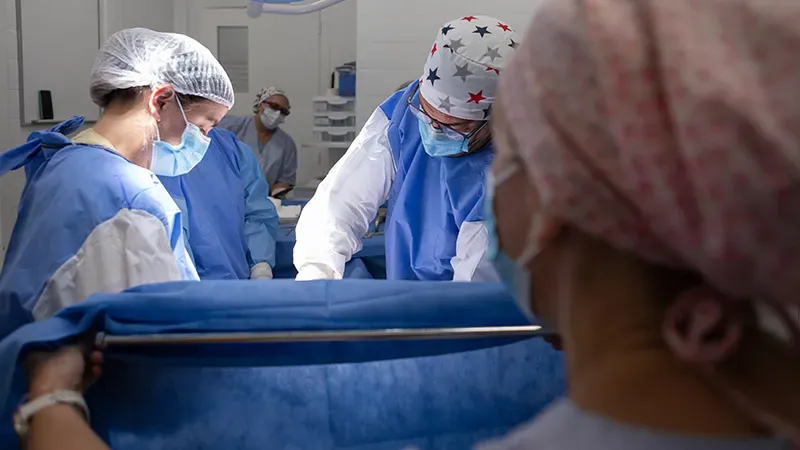
A new randomized controlled trial out of Japan suggests that giving dexmedetomidine (DEX) intravenously after fetal delivery during cesarean sections under combined spinal-epidural anesthesia can meaningfully improve how satisfied patients feel about their pain control and sedation. The triple-blind study enrolled 81 women and found that those who received DEX rated their experience significantly higher than those who got a saline placebo.
Beyond satisfaction scores, the drug also showed notable benefits in reducing intraoperative discomfort and nausea — two common complaints during C-sections. However, motor recovery from spinal anesthesia took slightly longer in the DEX group, and overall quality of recovery at 24 hours was similar between groups.
By the Numbers
Why it matters: C-sections are among the most common surgical procedures worldwide, and patient experience during the procedure matters. These findings open the door to a targeted use of DEX as an adjunct sedation tool — though the single-center, small-scale design means broader trials are needed before it becomes standard practice.