Turn on cookies to sign in
Signing in saves your progress to your Curie account. We can only do that with cookies on — turn them on to continue.
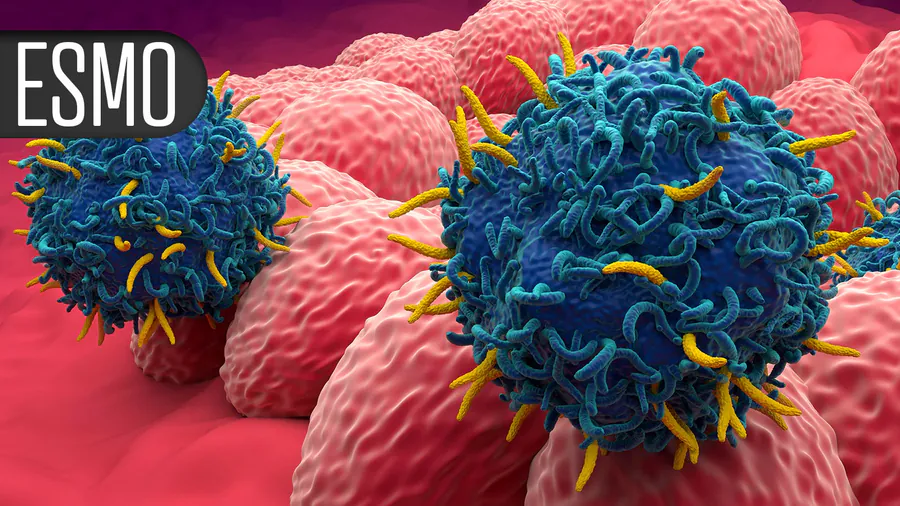
A clinical trial testing whether cancer patients could safely receive immunotherapy less frequently was stopped early after a troubling spike in deaths among those on the reduced schedule. The MOIO study found that spacing out immune checkpoint inhibitors to every 12 weeks — instead of the standard interval — led to nearly double the mortality rate. Researchers say the field needs smarter, tumor-specific approaches before de-escalation becomes routine.
A clinical trial designed to explore whether cancer patients could safely receive immunotherapy less often has been halted early. The MOIO study, presented at the European Society for Medical Oncology (ESMO) annual congress in Madrid, found that reducing immune checkpoint inhibitor (ICI) frequency from standard dosing to every 12 weeks led to significantly more deaths among patients with advanced or metastatic solid tumors.
The trial had an appealing premise: if patients who responded well to 6 months of ICI therapy could maintain that response on a lighter schedule, it could cut costs, reduce toxicity, and improve quality of life. But the data told a different story — and the trial was stopped early due to an unexpected overall survival imbalance favoring the standard treatment arm.
By the Numbers:
Why it matters: The findings are a cautionary tale for oncologists considering easing up on immunotherapy in responding patients. While de-escalation remains a worthy goal — especially for reducing patient burden and costs — this trial underscores that blanket, pan-tumor approaches may be risky. Experts are calling for more targeted, biology-driven trial designs before any de-escalation strategy is adopted in clinical practice.