Turn on cookies to sign in
Signing in saves your progress to your Curie account. We can only do that with cookies on — turn them on to continue.
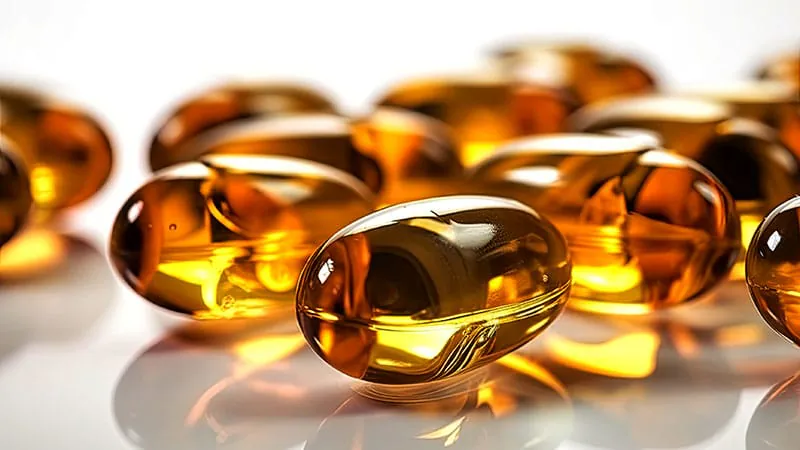
A phase 3 trial found that high-dose EPA omega-3 supplements improved overall survival by roughly 30% in patients who had surgery for colorectal cancer liver metastases — even though the supplement had no effect on disease progression. The 5-year survival rate jumped from 45% to 62% in the EPA group. Experts call the findings intriguing but say more evidence is needed before changing clinical practice.
A phase 3 trial (EMT2) presented at ESMO 2026 in Madrid found that high-dose EPA (eicosapentaenoic acid) — a purified omega-3 supplement — significantly improved overall survival in patients undergoing surgery for colorectal cancer liver metastases (CRLM). Over 418 patients across 13 UK centers were randomized to receive 4g/day of EPA or placebo, starting before surgery and continuing for 2–4 years.
Despite missing its primary endpoint — progression-free survival showed no significant difference (13.5 vs. 12.9 months) — the supplement delivered a notable overall survival benefit. Researchers proposed several mechanisms, including anti-cachexia effects, enhanced antitumor immunity, and gut microbiome changes. Importantly, EPA was well-tolerated with no excess bleeding, atrial fibrillation, or quality-of-life concerns.
By the Numbers:
Why it matters: Colorectal cancer liver metastases frequently recur after surgery, and treatment options remain limited. If confirmed, an affordable, well-tolerated supplement like EPA could offer a meaningful survival edge — but experts agree confirmatory trials are needed before it enters routine clinical practice.