Turn on cookies to sign in
Signing in saves your progress to your Curie account. We can only do that with cookies on — turn them on to continue.
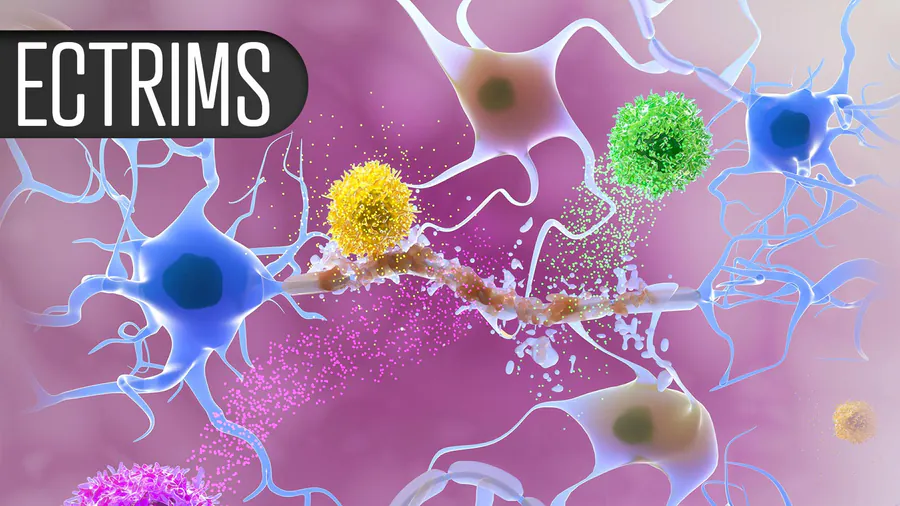
Two BTK inhibitors are making waves in MS treatment. Fenebrutinib significantly reduced chronic active brain lesions in both relapsing and primary progressive MS, while remibrutinib cut relapse rates by ~35% versus teriflunomide with a clean liver safety profile. Both drugs are advancing toward regulatory review, offering new hope for patients with limited treatment options.
Two oral BTK inhibitors are reshaping the MS treatment landscape
Phase III trial data presented at MSToronto2026 highlight two Bruton's tyrosine kinase (BTK) inhibitors as promising new options for multiple sclerosis. Fenebrutinib (Roche) reduced slowly expanding lesion (SEL) volume by 30.5% in relapsing MS versus teriflunomide and by 27.5% in primary progressive MS versus ocrelizumab — both key imaging markers of progressive disease biology. It also cut annualized relapse rates by 55% and reduced disability progression by 16% in relapsing MS. The FDA has accepted fenebrutinib's new drug application under priority review, making it the first BTK inhibitor to seek approval for both MS indications.
Meanwhile, remibrutinib (Novartis) delivered significant relapse rate reductions in the twin REMODEL-1 and REMODEL-2 trials, with no liver safety signal — a notable distinction from other BTK inhibitors in this class. Novartis plans to seek global regulatory approval for the drug in relapsing MS.
By the Numbers
Why it matters: Progressive MS biology remains one of the field's greatest unmet needs. These BTK inhibitors target mechanisms underlying chronic active lesions — a dominant driver of disease progression — potentially offering patients treatments that go beyond relapse control alone.