Turn on cookies to sign in
Signing in saves your progress to your Curie account. We can only do that with cookies on — turn them on to continue.
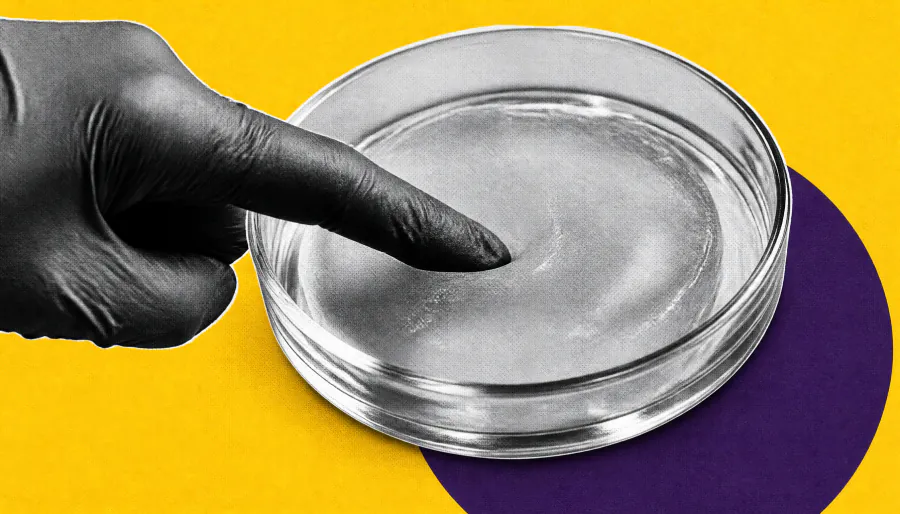
Your immune cells have a sense of touch. Scientists at McGill University found that T cells can detect tissue stiffness and use that physical information to decide whether to become long-lasting memory cells. The discovery, published in Nature Immunology, could reshape how we approach vaccines, autoimmune diseases, and cancer immunotherapy.
Your immune cells might be doing more than just reading chemical signals — they're also feeling their surroundings. Researchers at McGill University have discovered that T cells, the immune system's frontline defenders, can sense how stiff the tissues around them are. That physical feedback plays a key role in whether those cells develop into tissue-resident memory T cells — the long-lived guardians that help your body remember and fight off past infections.
The study, published in Nature Immunology, used specially engineered collagen gels to mimic tissues of varying stiffness. The results were clear: the stiffer the environment, the more likely T cells were to take on memory cell characteristics. It's a finding that adds a whole new dimension — literally mechanical — to how scientists think about immune memory.
Key Takeaways:
Why it matters: This discovery could open new doors for treating autoimmune diseases, improving transplant outcomes, and designing better cancer immunotherapies — all by targeting the physical environment that shapes immune cell behavior.