Turn on cookies to sign in
Signing in saves your progress to your Curie account. We can only do that with cookies on — turn them on to continue.
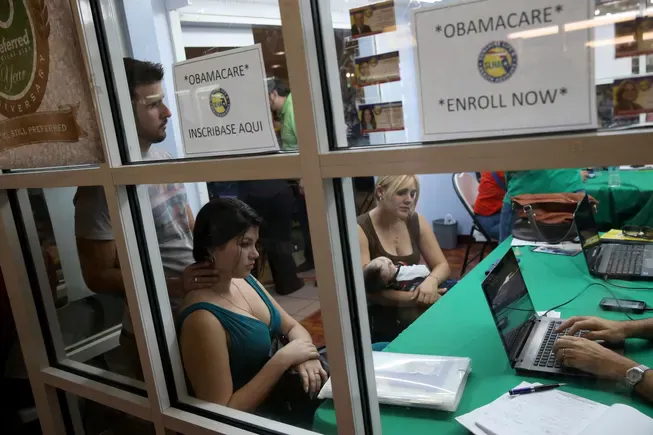
The Trump administration proposed new rules requiring ACA enrollees to verify income, citizenship, and residency before receiving financial assistance — closing a window that previously allowed subsidies to flow during the verification process. The change, rooted in the GOP's "Big Beautiful Bill," is expected to push over 332,000 people off ACA plans annually. This comes as enrollment has already dropped 18% compared to last year.
The Trump administration is tightening the screws on Affordable Care Act subsidies. A newly proposed CMS rule would require enrollees to verify their household income, family size, citizenship status, residency, and eligibility for other coverage before receiving premium tax credits or cost-sharing reductions — a significant departure from the current system, which allows financial assistance to kick in while documentation is still being reviewed.
The rule, set to take effect in plan year 2028, also mandates annual re-verification starting each August before open enrollment begins. Officials framed the changes as "common-sense reforms" to combat fraud and protect taxpayer dollars, while the agency itself estimates the rule will result in hundreds of thousands of people leaving ACA coverage each year.
By the Numbers:
Why it matters: This rule compounds an already steep enrollment decline driven by expired subsidies and stricter eligibility checks. For healthcare providers, fewer insured patients could mean increased uncompensated care and financial strain — making this a policy shift with real clinical and operational consequences.