Turn on cookies to sign in
Signing in saves your progress to your Curie account. We can only do that with cookies on — turn them on to continue.
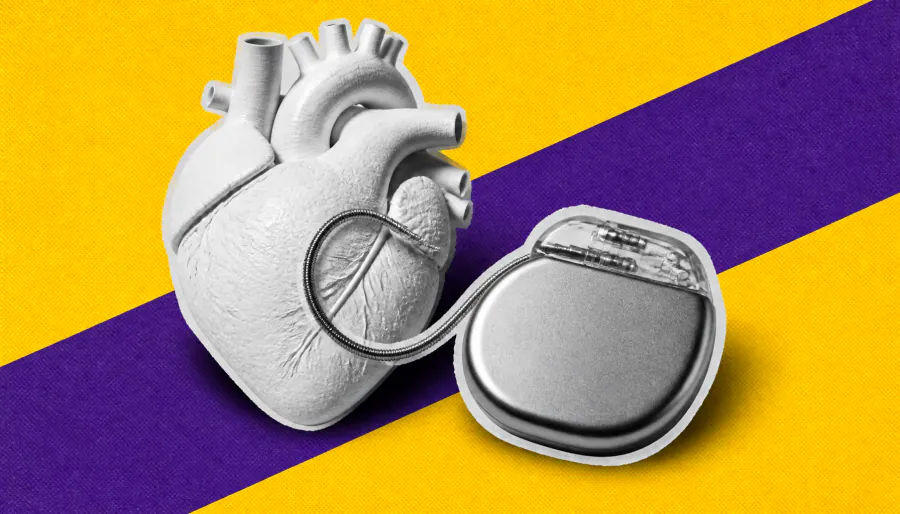
A new implantable device that delivers low-level electrical currents to the failing heart is generating interest in cardiology. Trials C-MIC II and III showed meaningful improvements in heart function, exercise capacity, and quality of life — and a less invasive subcutaneous version is now in the mix. Experts are cautiously optimistic but say larger, sham-controlled studies are needed before drawing firm conclusions.
A tiny current, a big heart boost: cardiac microcurrent therapy shows promise in heart failure
A device that delivers low-intensity electrical currents across the heart muscle is generating real excitement — and some healthy skepticism — in the heart failure world. Results from the C-MIC II and C-MIC III trials, presented at the Heart Failure Society of America Annual Scientific Meeting, showed that cardiac microcurrent (C-MIC) therapy significantly improved left ventricular ejection fraction (LVEF), exercise capacity, and quality of life in patients with heart failure with reduced ejection fraction (HFrEF) compared to guideline-directed medical therapy alone.
Even more notable: a newer, less invasive subcutaneous version of the device — placed under the skin by an electrophysiologist in the cath lab — reproduced the efficacy signals of the original surgical epicardial implant, even in sicker patients. Benefits appeared as early as 4 weeks and were sustained through 6 months. That said, experts flagged the magnitude of results as surprisingly large and raised concerns about potential device interference with existing implants like ICDs and coronary stents — questions that remain unanswered for now.
By the Numbers
Why it matters: Heart failure remains a leading cause of hospitalization and death worldwide, and many patients don't respond adequately to existing therapies. If confirmed in larger trials, C-MIC therapy — especially the minimally invasive subcutaneous version — could open a new treatment avenue for a broader population of patients with limited options.