Turn on cookies to sign in
Signing in saves your progress to your Curie account. We can only do that with cookies on — turn them on to continue.

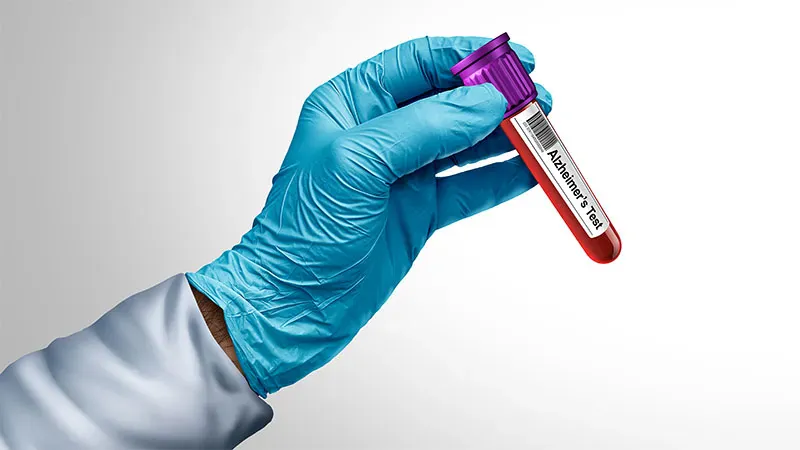
A key Alzheimer's blood test may not tell the whole story for everyone. A large study of over 15,000 adults found that plasma p-tau217 levels — a promising biomarker for Alzheimer's disease — vary significantly across racial and ethnic groups, and may underestimate cognitive risk in Asian, Black, and Hispanic individuals. Researchers say the findings highlight the need for more inclusive biomarker research.
A widely studied blood-based Alzheimer's biomarker — plasma phosphorylated tau-217 (p-tau217) — shows meaningful variation across racial and ethnic groups, raising concerns that it may not equally capture cognitive risk for all patients. The findings, published in JAMA Neurology, come from a cross-sectional analysis of over 15,600 adults aged 55–80 enrolled in the AHEAD 3-45 screening cohort.
The study found that while higher p-tau217 levels were broadly linked to worse cognitive scores and greater amyloid burden on PET imaging, these associations were significantly weaker in Asian, Black, and Hispanic participants compared to White participants. This is particularly notable given that Black and Hispanic populations already face a disproportionately higher risk of late-life cognitive impairment.
Key Takeaways:
Why it matters: If plasma biomarkers like p-tau217 systematically underperform in minority populations, clinical trials and early detection efforts risk leaving these groups behind — precisely those who face the greatest burden of late-life cognitive disease and need equitable access to emerging Alzheimer's therapies.