Turn on cookies to sign in
Signing in saves your progress to your Curie account. We can only do that with cookies on — turn them on to continue.
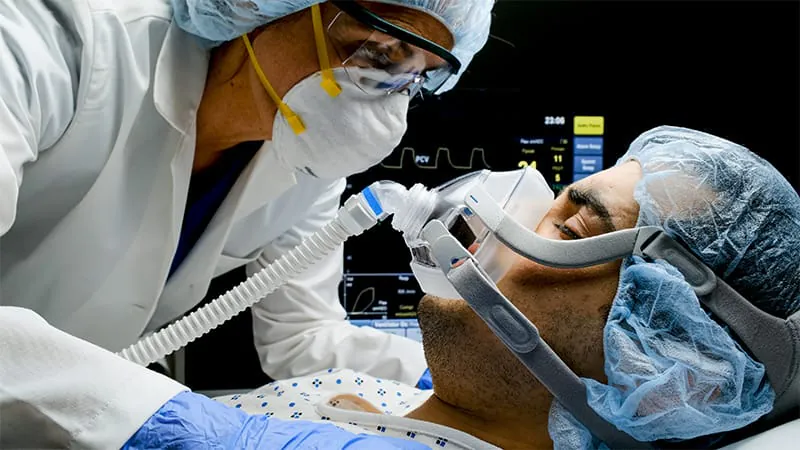
More than a third of ICU patients on ventilators develop pneumonia — but certain factors cut that risk. A new Italian study found that female sex, a non-neurologic admission diagnosis, and early antibiotic use within the first two days of intubation were each associated with a significantly lower risk of ventilator-associated pneumonia (VAP).
A prospective cohort study across eight ICUs in Northern Italy found that 36.5% of adults intubated for non-pulmonary conditions developed ventilator-associated pneumonia (VAP) within 15 days, with a median onset at day 6. Researchers tracked 406 patients over three years to identify which clinical and pharmacologic factors were associated with lower VAP risk.
Three key factors stood out as protective: being female, having a non-neurologic admission diagnosis, and receiving antibiotics within the first two days of intubation. Notably, antibiotic use later in the ICU stay showed no significant protective effect, suggesting timing matters.
By the Numbers
Why it matters: VAP is a serious and common ICU complication. These findings suggest that sex and admission diagnosis should factor into VAP risk stratification, and that early antibiotic administration may be a modifiable protective strategy worth further investigation.