Turn on cookies to sign in
Signing in saves your progress to your Curie account. We can only do that with cookies on — turn them on to continue.
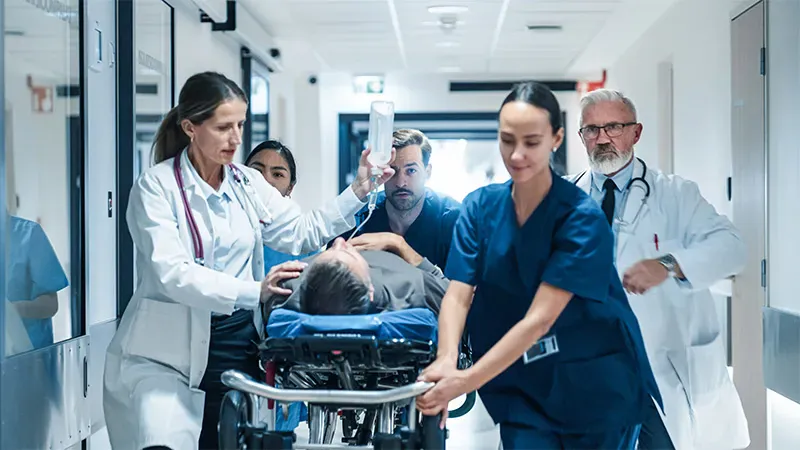
Forensic nursing is a growing specialty that blends healthcare with the legal system, and experts say its training makes nurses sharper clinicians across the board. Far beyond sexual assault exams, forensic nurses work in elder abuse, homicide investigation, human trafficking, and more. Advocates are pushing for forensic nursing to become part of all nursing curricula — because the mindset it builds benefits every patient encounter.
Forensic nursing has been quietly reshaping patient care long before it had a formal name — and now it's stepping into the spotlight. The specialty sits at the intersection of healthcare and the legal system, covering everything from sexual assault exams and elder abuse to homicide investigation and human trafficking advocacy. Experts emphasize that it's not the patient population that defines a forensic nurse, but the integration of nursing knowledge with an understanding of evidence, ethics, and patient rights.
The "forensic mindset" is the real differentiator. Practitioners are trained to assess whether a patient's injury aligns with their reported mechanism — a bruise, a fracture pattern, or signs of strangulation can tell a very different story than what's on the surface. State laws add another layer of complexity, with mandated reporting requirements varying widely by injury type and jurisdiction.
Key Takeaways:
Why it matters: Advocates argue forensic nursing training should be woven into all nursing education — because the skills it builds, like spotting inconsistencies in injury patterns and navigating legal-clinical tensions, make every nurse a better frontline defender for vulnerable patients.