Turn on cookies to sign in
Signing in saves your progress to your Curie account. We can only do that with cookies on — turn them on to continue.
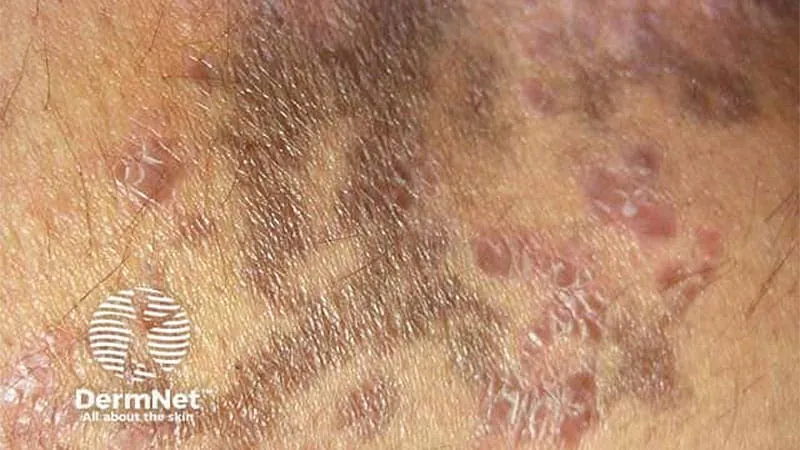
A large Danish study of 35,000+ patients found that lichen planus (LP) significantly raises cancer risk — especially at the sites it affects. Oral LP was tied to a 9–14x higher oral cancer risk, while genital LP showed a 17–24x increase in genital cancer risk. Experts say the findings are a "wake-up call" for better monitoring and multidisciplinary care, even though absolute cancer risk remains low.
A major Danish cohort study published in JAMA Dermatology has reinforced what many clinicians suspected: lichen planus (LP) meaningfully raises the risk of cancer — and the risk is strongest right where the disease shows up. The study of 35,845 LP patients found that oral LP was associated with a 9–14x increased risk for oral cancers, while genital LP carried a 17–24x increased risk for genital cancers. Despite these elevated relative risks, experts are quick to note that the absolute risk of developing cancer remains relatively low.
Dermatology experts are calling the findings a "wake-up call" — not for alarm, but for action. LP and its sister condition, lichen sclerosus, are notoriously tricky to diagnose and manage, with no FDA-approved treatments specifically for LP. Experts are pushing for better clinician education, standardized follow-up protocols, clearer biopsy guidelines, and expanded clinical trials to address this historically neglected disease.
By the Numbers
Why it matters: LP significantly impacts quality of life and carries real — if relatively low in absolute terms — cancer risks that clinicians may be underestimating. With no approved therapies and limited evidence, this study underscores an urgent need for structured surveillance, multidisciplinary care models, and deeper investment in LP research.