Turn on cookies to sign in
Signing in saves your progress to your Curie account. We can only do that with cookies on — turn them on to continue.
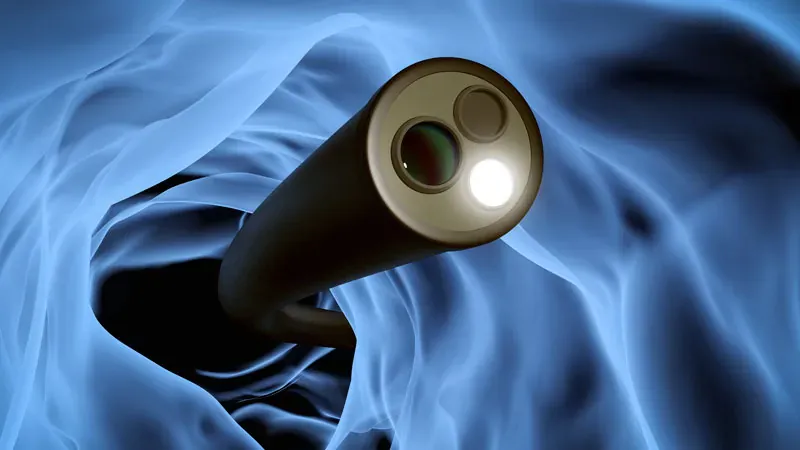
Turning down the fluoroscopy pulse rate during bile duct stone removal slashes radiation exposure. A Japanese study found that dropping the pulse rate from 7.5 to 1.0 pulse per second during ERCP cut the total radiation dose by nearly 73%, with no impact on procedure time or success rates. It's a simple tweak with a meaningful safety payoff.
A simple protocol adjustment during a common endoscopic procedure could meaningfully protect patients from radiation exposure. Researchers in Japan found that reducing the fluoroscopy pulse rate from the standard 7.5 pulses per second (pps) to just 1.0 pps during ERCP — a procedure used to remove bile duct stones — dramatically lowered the total radiation dose without compromising outcomes.
The retrospective study included 173 patients split into two groups: one using the standard 7.5 pps rate and another using the super-low 1.0 pps rate. Despite the significant reduction in pulse rate, fluoroscopy time, procedure time, procedural success, and adverse event rates were all comparable between the groups.
By the Numbers:
Why it matters: Repeated fluoroscopy exposure accumulates over time for both patients and medical staff. This study suggests that a straightforward protocol change — lowering the pulse rate — could be an easy, cost-free strategy to reduce radiation risk during ERCP without sacrificing procedural quality or safety.