Turn on cookies to sign in
Signing in saves your progress to your Curie account. We can only do that with cookies on — turn them on to continue.
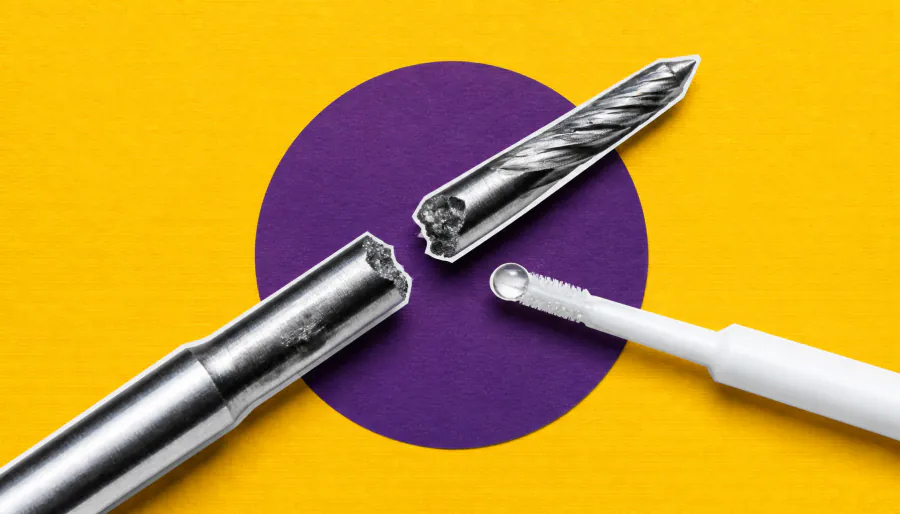
A major clinical trial has confirmed that silver diamine fluoride (SDF) — a liquid painted onto teeth in seconds — can stop tooth decay in young children without drilling, injections, or anesthesia. The study of 830 children under age 6 found SDF arrested decay in more than half of treated baby teeth. The findings could pave the way for FDA approval and broader use in pediatric and medical settings.
A major Phase III clinical trial published in JAMA Pediatrics has confirmed that silver diamine fluoride (SDF), a simple liquid applied to teeth in seconds, can effectively stop cavities in young children — no drilling, no needles, no sedation required. Researchers from the University of Michigan, NYU, University of Iowa, and Indiana University enrolled 830 children under age 6 across Michigan, New York, and Iowa, including participants from Head Start programs. Applied every six months, the 38% SDF solution arrested decay in more than half of treated baby teeth.
Tooth decay is the most common chronic disease in children, affecting over 40% of American kids. Untreated, it can lead to pain, infections, missed school, and even surgery under general anesthesia. SDF — already used off-label by U.S. dentists and approved in many other countries — works by using silver to fight decay-causing bacteria and fluoride to strengthen tooth enamel. The main tradeoff: it permanently darkens the decayed area, which may be a cosmetic concern for some families.
Key Takeaways
Why it matters: FDA approval for SDF as a cavity-arresting treatment could transform access to dental care — especially for the millions of children who see a pediatrician long before they ever visit a dentist.