Turn on cookies to sign in
Signing in saves your progress to your Curie account. We can only do that with cookies on — turn them on to continue.
Subcutaneous infliximab significantly outperformed IV infliximab across clinical and endoscopic outcomes in patients with ileal Crohn's disease at week 54. Separate data also showed that antidrug antibodies didn't derail outcomes when patients restarted subcutaneous infliximab after a treatment break — offering a potentially safer re-entry route for patients who've been off the drug.
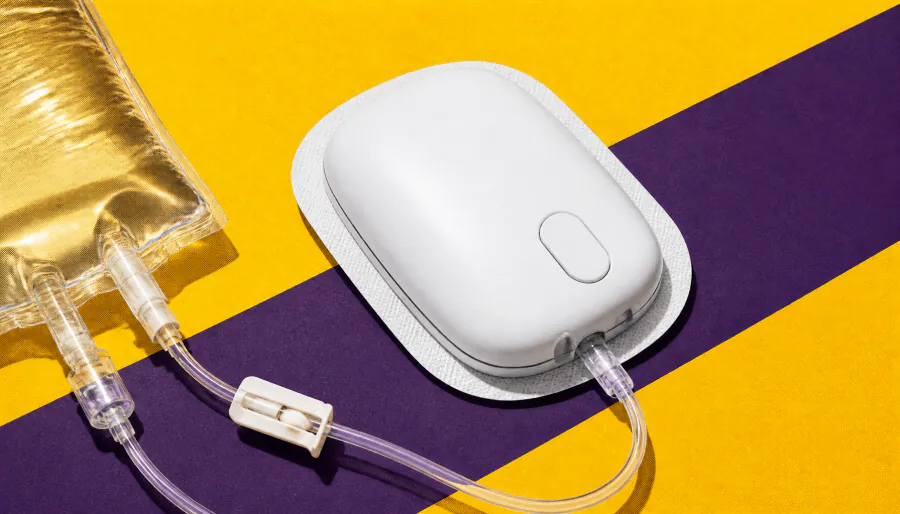
Subcutaneous infliximab is showing a clear edge over its IV counterpart in one of gastroenterology's toughest patient populations. Presented at the ACG Annual Scientific Meeting, a pooled and propensity-score matched analysis of four registrational trials found that patients with ileal Crohn's disease (CD) who received subcutaneous infliximab (Zymfentra) achieved significantly better outcomes at week 54 compared to those on IV infliximab (Remicade). Ileal CD is notoriously difficult to manage due to its fibrotic nature, and surgical rates in this group haven't declined the way they have in other IBD subtypes.
A separate post-hoc analysis of the LIBERTY-CD and LIBERTY-UC trials added another layer: antidrug antibodies (ADAs) — which can undermine IV infliximab reintroduction after a treatment break — did not negatively affect outcomes when patients switched to subcutaneous delivery. Serum infliximab levels rose over time, and the proportion of ADA-positive patients declined after subcutaneous initiation.
By the Numbers:
Why it matters: For clinicians managing ileal CD — a phenotype with stubbornly high surgical rates — these findings suggest that the route of infliximab delivery may matter as much as the drug itself. Subcutaneous infliximab could become a preferred option both for maintenance and for patients returning after a drug holiday, though prospective studies are still needed to confirm these results.