Turn on cookies to sign in
Signing in saves your progress to your Curie account. We can only do that with cookies on — turn them on to continue.
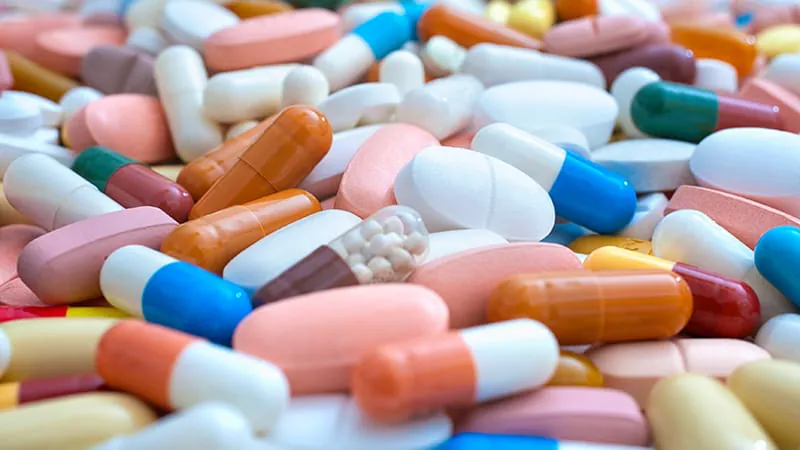
Kids who took antibiotics are more likely to develop IBS by their mid-20s, a large Swedish study found. The risk climbed with each additional prescription — and certain antibiotic classes, like cephalosporins, showed especially strong associations. Researchers say the findings aren't a reason to avoid necessary antibiotics, but they do reinforce the importance of prescribing them only when truly needed.
A large Swedish birth cohort study has found that antibiotic exposure during childhood and adolescence is associated with 1.5-times higher odds of developing irritable bowel syndrome (IBS) by age 24. Presented at UEG Week 2026, the analysis drew on objective prescription data from Sweden's national drug register — a key advantage over earlier studies that relied on patient recall.
The association followed a clear dose-response pattern: the more antibiotic prescriptions a child received, the greater their IBS risk in young adulthood. Cephalosporins stood out, with three or more prescriptions linked to a sixfold increase in IBS odds. Researchers believe disruption of the gut microbiome may be a key mechanism, though they caution that the underlying infections — not just the antibiotics — could also be driving the risk.
By the Numbers:
Why it matters: With IBS affecting millions globally and antibiotic overuse already a public health concern, these findings add another compelling reason to prescribe antibiotics judiciously in children — while underscoring the need for more research into how early gut microbiome disruption shapes long-term digestive health.