Turn on cookies to sign in
Signing in saves your progress to your Curie account. We can only do that with cookies on — turn them on to continue.
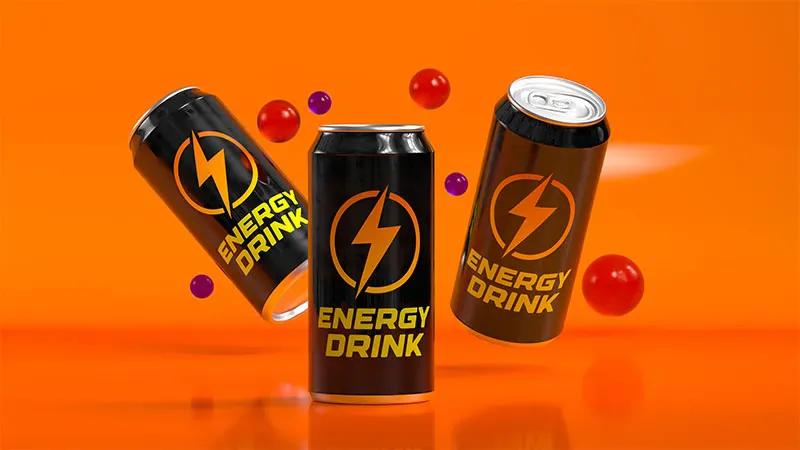
Tired teens reaching for energy drinks may be making things worse. A new narrative review finds that energy drink use among adolescents is closely tied to sleep debt — and the caffeine they consume to fight fatigue only deepens the problem. The cycle may raise risks for obesity, poor focus, and reduced physical activity, prompting calls for clinicians to screen for energy drink use as a red flag.
Tired teens reaching for energy drinks may be making things worse. A narrative review published in Nutrients found that adolescent energy drink consumption is strongly linked to shorter, poorer-quality sleep — and the relationship likely runs both ways. Fatigued teens turn to caffeine for a boost, but that caffeine then disrupts the sleep they desperately need, creating a self-reinforcing loop.
The downstream effects go beyond just feeling groggy. Poor sleep was tied to higher obesity risk, with sleep-deprived teens more likely to crave sweets and high-carb foods. Cognitive performance also took a hit — even one night of restricted sleep worsened mental flexibility and processing speed, particularly in teens with higher body fat. And while energy drinks may temporarily mask sleepiness, they don't restore the recovery needed to stay active.
Key Takeaways:
Why it matters: Clinicians are urged to treat energy drink use as a screening cue — especially when teens present with obesity, insomnia, attention difficulties, or low physical activity. Schools and policymakers should pair access restrictions with broader efforts to improve sleep, screen habits, and movement.