Curie Brief
Turn on cookies to sign in
Signing in saves your progress to your Curie account. We can only do that with cookies on — turn them on to continue.

Current RCC guidelines may be leaving patients behind. A new study found that 27% of recurrences in non-clear cell renal cell carcinoma (nccRCC) happen after the standard 5-year surveillance window — and many are silent. Researchers say longer follow-up and better imaging may be needed, especially for intermediate-risk patients.
Standard surveillance guidelines for renal cell carcinoma (RCC) typically cap strict follow-up at 5 years — but a new study suggests that's not long enough for many patients with non-clear cell RCC (nccRCC). Researchers at MD Anderson Cancer Center analyzed 712 patients with localized nccRCC over a median follow-up of 11.6 years and found that more than a quarter of all recurrences occurred after that 5-year mark, particularly among intermediate-risk patients.
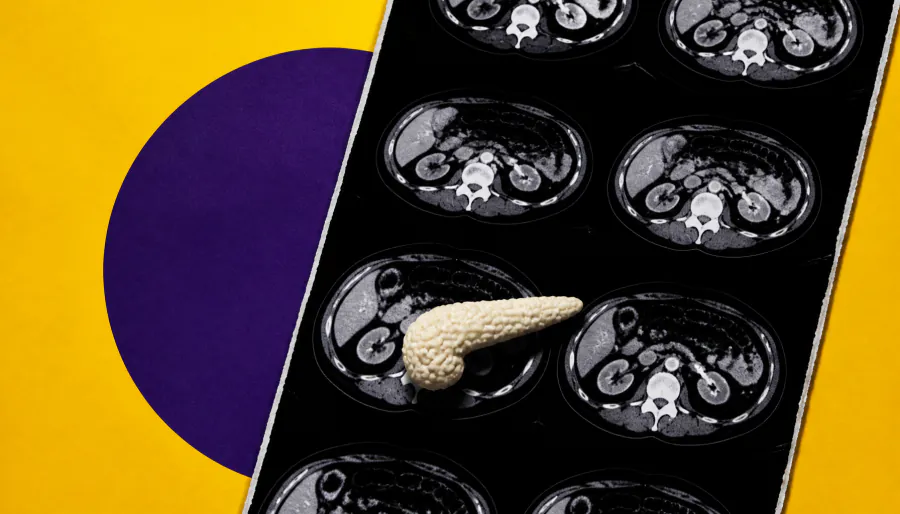
Adding to the concern: 38% of recurrences were intra-abdominal, and 75% of those were completely asymptomatic at detection — meaning patients wouldn't have known anything was wrong without imaging. The team argues this supports using cross-sectional imaging (like CT) over ultrasound during follow-up, given its superior sensitivity for catching these silent relapses.
By the Numbers:
Why it matters: Current guidelines don't differentiate well between nccRCC subtypes, potentially leaving high-risk patients under-monitored. Tailoring surveillance by histologic subtype could catch more recurrences earlier — when treatment options are more effective.