Curie Brief
Turn on cookies to sign in
Signing in saves your progress to your Curie account. We can only do that with cookies on — turn them on to continue.
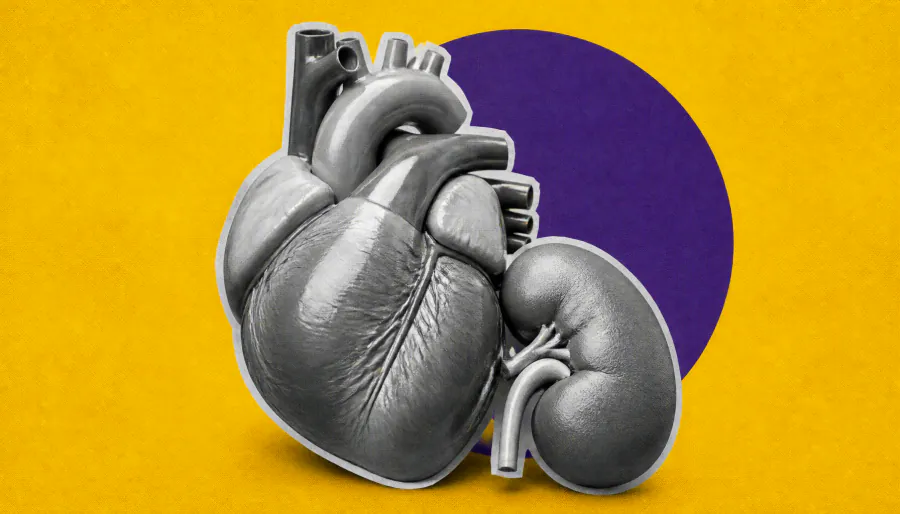
Heart failure and cardio-kidney-metabolic (CKM) syndrome are more intertwined than ever. Half of heart failure patients now have chronic kidney disease, and nearly half have diabetes or obesity — and those numbers are climbing. Experts say preventing CKM comorbidities early, and tailoring treatments by HF subtype, is the new frontier in cardiac care.
Heart failure (HF) and cardio-kidney-metabolic (CKM) syndrome are increasingly overlapping, with major implications for how clinicians prevent and treat both conditions. At the Cardiometabolic Health Congress in Boston, Dr. Biykem Bozkurt of Baylor College of Medicine highlighted that half of HF patients now have chronic kidney disease (CKD), and nearly half have diabetes and obesity — prevalences once attributed primarily to hypertension as the dominant HF driver.
The stages of HF and CKM syndrome map closely onto each other, meaning early intervention in CKM risk factors could meaningfully delay or prevent HF progression. Treatments like SGLT2 inhibitors, finerenone, and GLP-1 receptor agonists (semaglutide, tirzepatide) are proving effective across multiple trials in reducing HF hospitalizations and cardiovascular events in high-risk populations.
Key Takeaways:
Why it matters: As CKM comorbidities become the norm in HF patients, a one-size-fits-all approach no longer works. Clinicians who integrate CKM-targeted therapies early — and match treatments to HF subtype — stand to significantly reduce hospitalizations and improve patient outcomes.