Curie Brief
Turn on cookies to sign in
Signing in saves your progress to your Curie account. We can only do that with cookies on — turn them on to continue.
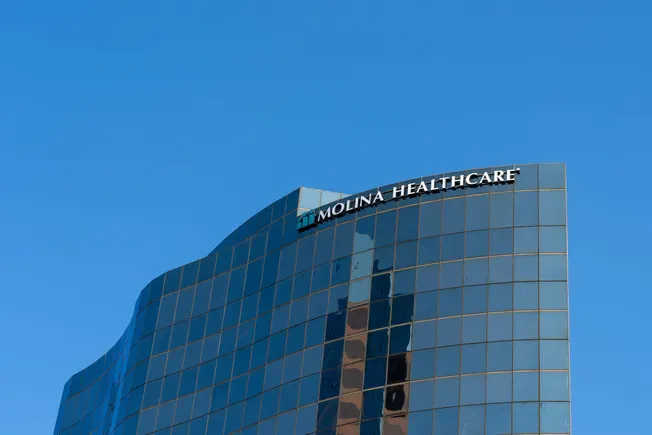
Major Medicaid insurers are cautiously optimistic after a rough few years. Molina, Elevance, and UnitedHealth all reported signs of stabilization in Q3 2026, with state reimbursement rates finally catching up to rising costs. But looming policy changes from the GOP's "Big Beautiful Bill" — including work requirements — could shrink Medicaid rolls and complicate the recovery.
After years of losses, major Medicaid managed care organizations are seeing a light at the end of the tunnel. Molina Healthcare, Elevance, and UnitedHealth all reported better-than-feared Medicaid results in Q3 2026, as state reimbursement rates rise and medical cost growth begins to plateau. Molina's CEO summed it up simply: "The imbalance between rates and trend appears to have stabilized."
Still, it's not all smooth sailing. Molina's Q3 profit came in at just $38 million — half of what it posted a year earlier — and its Medicaid medical loss ratio hit 93%, worse than Wall Street expected. Elevance posted a stronger quarter with net income of $1.4 billion, and now expects its Medicaid margin to land slightly better than its prior forecast of -1.75% for the year. Both insurers are eyeing 2027 as the real recovery year.
By the Numbers:
Why it matters: The Medicaid recovery story is real but fragile. The GOP's "Big Beautiful Bill" — which mandates work requirements for Medicaid eligibility — could strip millions from coverage over the next decade, shrinking insurer rolls and making cost management harder. How states choose to implement these rules will be a defining factor for the industry's financial health going forward.