Curie Brief
Turn on cookies to sign in
Signing in saves your progress to your Curie account. We can only do that with cookies on — turn them on to continue.
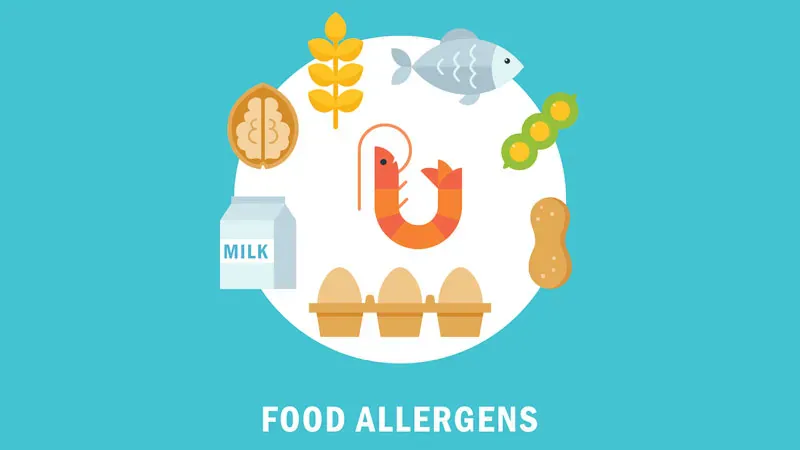
There's a big gap between how many people think they have a food allergy and how many actually have one confirmed by testing. A Romanian study found that while 17.6% of adults self-reported a food allergy, only 6.6% had it confirmed — and fewer than half knew that adrenaline is the go-to treatment for a severe reaction.
Think you have a food allergy? You might want to get that checked. A new study out of Romania found a striking disconnect between self-reported food allergies and clinically confirmed ones — raising concerns about both over-diagnosis and dangerous knowledge gaps around severe allergic reactions.
Researchers looked at two groups: over 4,400 patients at an allergy clinic and 500 adults from the general community. At the clinic, just 4.2% of patients had confirmed food sensitization — with young children (ages 0–5) most affected. In the community survey, the gap was notable: 17.6% of adults claimed to have a food allergy, but only 6.6% had it confirmed through testing — an 11-percentage-point difference.
By the Numbers:
Why it matters: Misidentifying food allergies leads to unnecessary dietary restrictions for some — and unrecognized, life-threatening risks for others. The authors call for better access to allergy testing and oral food challenges to close the diagnostic gap and improve public awareness around emergency responses like epinephrine use.