Curie Brief
Turn on cookies to sign in
Signing in saves your progress to your Curie account. We can only do that with cookies on — turn them on to continue.
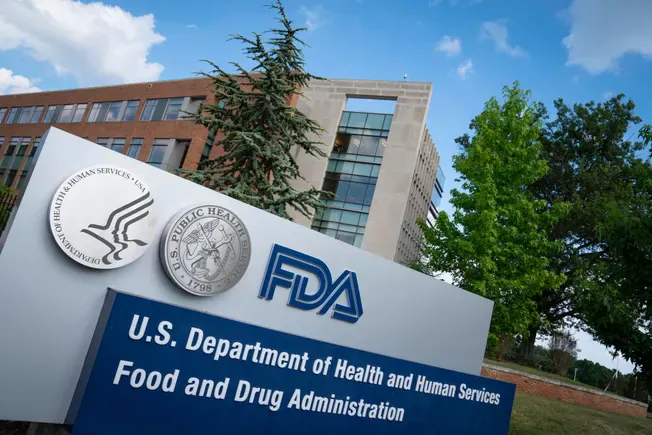
Major healthcare groups are pushing back on the idea that providers should be responsible for the safety of generative AI medical devices. The AHA, AMA, and ATA all told the FDA that developers — not doctors or hospitals — should bear accountability for AI tool performance. The FDA is expected to release draft guidance on regulating generative AI medical devices in the coming months.
The American Hospital Association, American Medical Association, and American Telemedicine Association are sending a unified message to the FDA: when generative AI medical devices go wrong, don't look at us. In formal comments on the FDA's proposed regulatory framework for generative AI-enabled medical devices, these major provider groups argued that developers — not clinicians or health systems — should be held responsible for the safety and ongoing performance of these tools.
Their reasoning? Providers often lack visibility into how AI models actually work, making it nearly impossible to catch flaws. Placing accountability on hospitals and physicians would also expose them to greater malpractice risk, while smaller and rural practices would be especially burdened. The groups want the FDA to build clear channels for providers to report problems, without requiring them to own them.
Key Takeaways:
Why it matters: As AI tools become embedded in clinical workflows, the question of liability is far from settled. The FDA's upcoming draft guidance could set the tone for how responsibility is shared — or contested — between tech companies and the healthcare providers who use their products.