Curie Brief
Turn on cookies to sign in
Signing in saves your progress to your Curie account. We can only do that with cookies on — turn them on to continue.
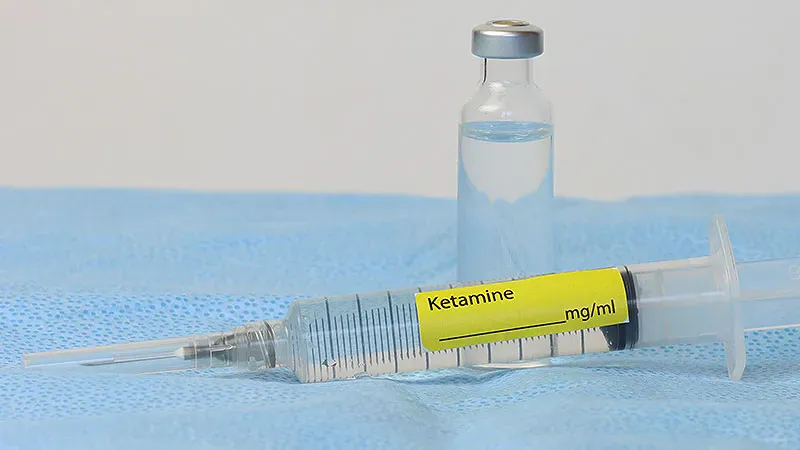
A new meta-analysis suggests ketamine and esketamine may lower the risk of postoperative delirium in adult surgical patients under general anesthesia. Analyzing 25 randomized controlled trials with over 3,300 patients, researchers found both drugs reduced delirium risk compared to controls. However, trial sequential analysis flagged the evidence as inconclusive, and both drugs were linked to an increased risk of dizziness.
A meta-analysis published in Anesthesia & Analgesia suggests that perioperative ketamine and esketamine could help reduce postoperative delirium (POD) in adult patients undergoing surgery under general anesthesia. Pooling data from 25 randomized controlled trials involving 3,344 patients, researchers found both agents outperformed placebo or standard therapy in lowering delirium risk. Higher-dose regimens and bolus-plus-infusion delivery methods showed the strongest protective effects.
That said, the researchers urge caution. Trial sequential analysis revealed the cumulative evidence is still insufficient to draw firm conclusions, and both drugs were associated with a higher risk of dizziness. Long-term neurocognitive and psychological effects also remain unknown, leaving important safety questions unanswered.
Key Takeaways:
Why it matters: Postoperative delirium is a serious complication that increases hospital stays, costs, and mortality risk — especially in older patients. While ketamine and esketamine show a promising signal, clinicians should await larger, well-powered Phase III trials before making routine practice changes.